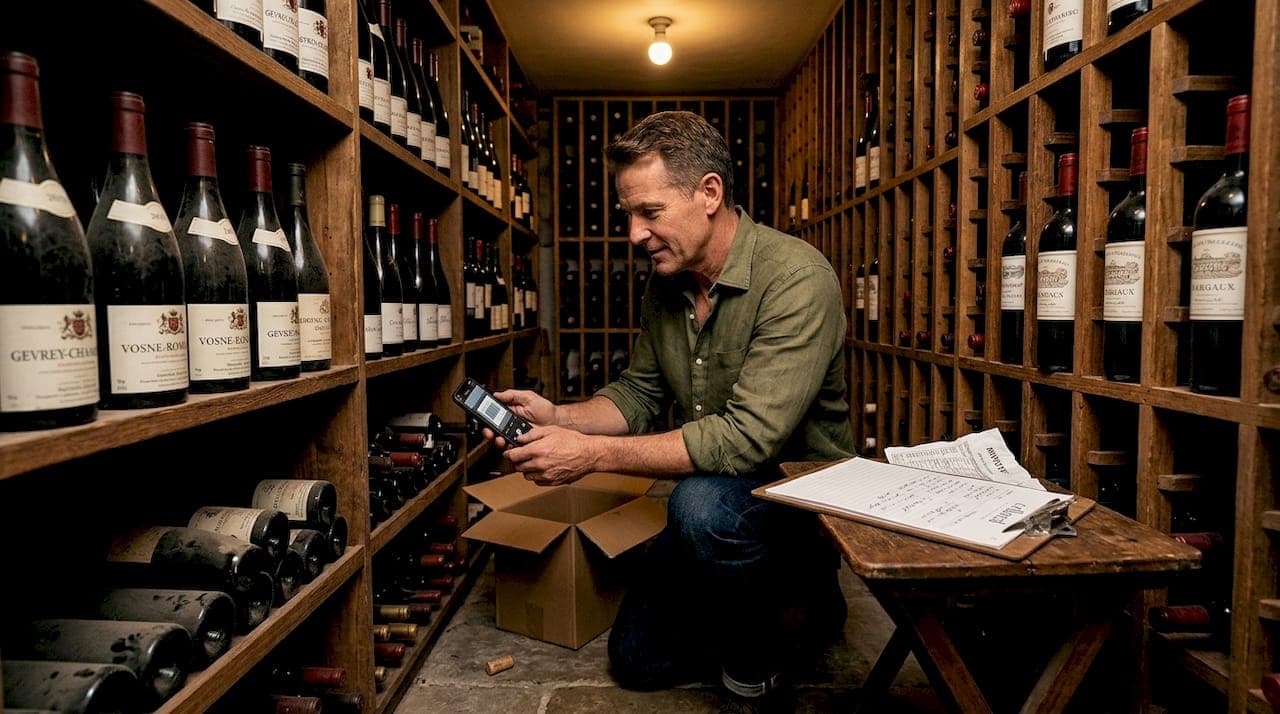
Not every cellar filled with expensive bottles qualifies as a fine wine collection. The distinction between a well-stocked personal cellar and a genuinely investment-grade collection is subtle but consequential, shaped by provenance, curation philosophy, storage discipline, and the kind of meticulous selection that separates passionate accumulation from deliberate connoisseurship. For collectors, investors, and estates across Australia and the APAC region, understanding what elevates a collection to world-class status is both a practical and financial imperative. This article examines the defining criteria, celebrates exemplary collections, and offers actionable strategies you can apply to your own holdings.
Table of Contents
- What defines a world-class fine wine collection?
- James Halliday's private collection: an Australian benchmark
- International gold standards: iconic cellars beyond Australia
- How top collections drive value: investment, enjoyment, and portfolio strategy
- What most collectors overlook about building value
- Curate and manage your fine wine collection with expert support
- Frequently asked questions
Key Takeaways
| Point | Details |
|---|---|
| Criteria matter most | Focus on provenance, diversity, and professional storage for investment-grade collections. |
| Halliday’s cellar sets the bar | James Halliday’s auctioned collection is an Australian benchmark of breadth, focus, and impeccable record. |
| Global cellars reveal trends | World-class examples blend classic blue-chip bottles with emerging regions for balance and growth. |
| Diversification drives returns | Fine wine delivers consistent returns and portfolio resilience, especially when diversified across types and regions. |
What defines a world-class fine wine collection?
A truly exceptional fine wine collection is not simply a function of quantity or budget. It is the product of deliberate curation, guided by several interlocking principles that determine both the collection's aesthetic coherence and its long-term market value.
The most respected collections share the following attributes:
- Breadth and focus: A world-class collection balances regional diversity with thematic focus, whether that means a dedication to a single appellation like Burgundy or a curated cross-section of global blue-chip producers.
- Provenance: Every bottle's history, from purchase point to storage conditions, must be traceable and verifiable. Unimpeachable provenance is the single greatest driver of auction value.
- Age-ability: The finest collections prioritise wines with genuine cellaring potential, structured to reward patience over decades rather than years.
- Storage conditions: Temperature-controlled, humidity-stable, vibration-free environments are non-negotiable. Professional facilities preserve both the wine and its investment-grade credentials.
- Blue-chip representation: Holdings from recognised benchmark producers, including Domaine de la Romanée-Conti, Château Lafite Rothschild, Penfolds Grange, and similar icons, anchor a collection's credibility.
Provenance, professional storage, and buying in multiples are essential to value retention, according to leading sommeliers. Buying in multiples, specifically purchasing six or twelve bottles of the same wine, allows you to track a wine's evolution by opening bottles at different stages of maturity, while retaining the balance for future sale or enjoyment.
Pro Tip: When acquiring age-worthy wines, always buy at least six bottles of the same vintage. This gives you the freedom to taste through the wine's development without depleting your investment position prematurely.
"The finest collections are not assembled overnight. They reflect years of market knowledge, personal taste, and the discipline to resist drinking everything too early." This is the quiet wisdom that separates great collectors from enthusiastic ones.
Effective wine cellar management underpins everything. Without a structured inventory system and professional storage, even the most brilliantly curated selection of bottles can lose significant value through poor handling or inadequate documentation.
James Halliday's private collection: an Australian benchmark
When Langton's auctioned James Halliday's private collection, the Australian wine world took notice. Here was a collection that embodied every criterion of world-class curation: exceptional breadth, impeccable provenance, and a selection that reflected decades of deep market knowledge from one of Australia's most authoritative wine critics.
James Halliday's private collection featured rare Burgundies, iconic Australian wines, and was stored with impeccable provenance at Coldstream Hills, his own Yarra Valley estate. The collection exceeded 1,800 bottles and included signed bottles from Domaine Armand Rousseau, one of Gevrey-Chambertin's most celebrated producers.
Key highlights of the Halliday collection included:
- Rare vertical sets of Penfolds Grange spanning multiple decades
- Premier and Grand Cru Burgundies from Domaine Armand Rousseau and other benchmark domaines
- Exceptional Australian icons including Henschke Hill of Grace and Bass Phillip Premium Pinot Noir
- A significant Bordeaux holding featuring first-growth vintages
| Collection feature | Detail |
|---|---|
| Total bottles | 1,800+ |
| Key regions | Burgundy, Bordeaux, Yarra Valley, Barossa Valley |
| Headline lots | Domaine Armand Rousseau, Penfolds Grange |
| Storage provenance | Coldstream Hills estate cellars |
| Auction house | Langton's |
What made this collection genuinely instructive for serious collectors was not merely the names on the labels. It was the coherence of the curation and the discipline of the storage. Every bottle carried a documented chain of custody, which translated directly into buyer confidence and premium auction results.
For those building notable Australian collections, Halliday's approach offers a masterclass: combine personal passion with market intelligence, and never compromise on provenance. His inclusion of Bordeaux in Australia alongside domestic icons also illustrates the importance of international diversity within an Australian-anchored collection.
International gold standards: iconic cellars beyond Australia
Beyond Australia's shores, the world's most celebrated collections share a commitment to the same principles, executed at extraordinary scale and with access to the rarest bottles on earth.
The global fine wine market reached $58 billion in 2024, with blue-chip bottles from Lafite, Domaine de la Romanée-Conti, Margaux, and emerging Champagne and Italian segments driving sustained collector demand. This growth reflects not just financial appetite but a deepening global appreciation for the cultural and sensory dimensions of fine wine.
The most admired international cellars tend to share the following characteristics:
- Depth in Burgundy: Grand Cru holdings from Domaine de la Romanée-Conti, Rousseau, and Leroy form the spine of the world's most valuable collections.
- Bordeaux first-growth verticals: Multi-decade runs of Lafite, Margaux, Pétrus, and Mouton Rothschild provide both prestige and liquidity.
- Champagne representation: Prestige cuvées from Krug, Salon, and Jacques Selosse have emerged as serious investment-grade assets.
- Italian icons: Barolo from Giacomo Conterno and Brunello di Montalcino from Biondi-Santi are increasingly present in elite international cellars.
| Cellar type | Signature wines | Distinguishing feature |
|---|---|---|
| Classic Burgundy | DRC, Rousseau, Leroy | Scarcity and terroir prestige |
| Bordeaux first-growth | Lafite, Margaux, Pétrus | Liquidity and global recognition |
| Prestige Champagne | Krug, Salon, Selosse | Emerging investment category |
| Italian icons | Conterno Barolo, Biondi-Santi | Long-ageing, growing demand |
| APAC emerging | Shuijingfang, Grace Wine (Japan) | Regional diversification play |
Collectors across the APAC region are increasingly exploring up-and-coming wine regions as a means of diversifying beyond the traditional Bordeaux and Burgundy axis. This is not merely a financial strategy. It reflects a maturing collector sensibility that values discovery alongside prestige.
How top collections drive value: investment, enjoyment, and portfolio strategy
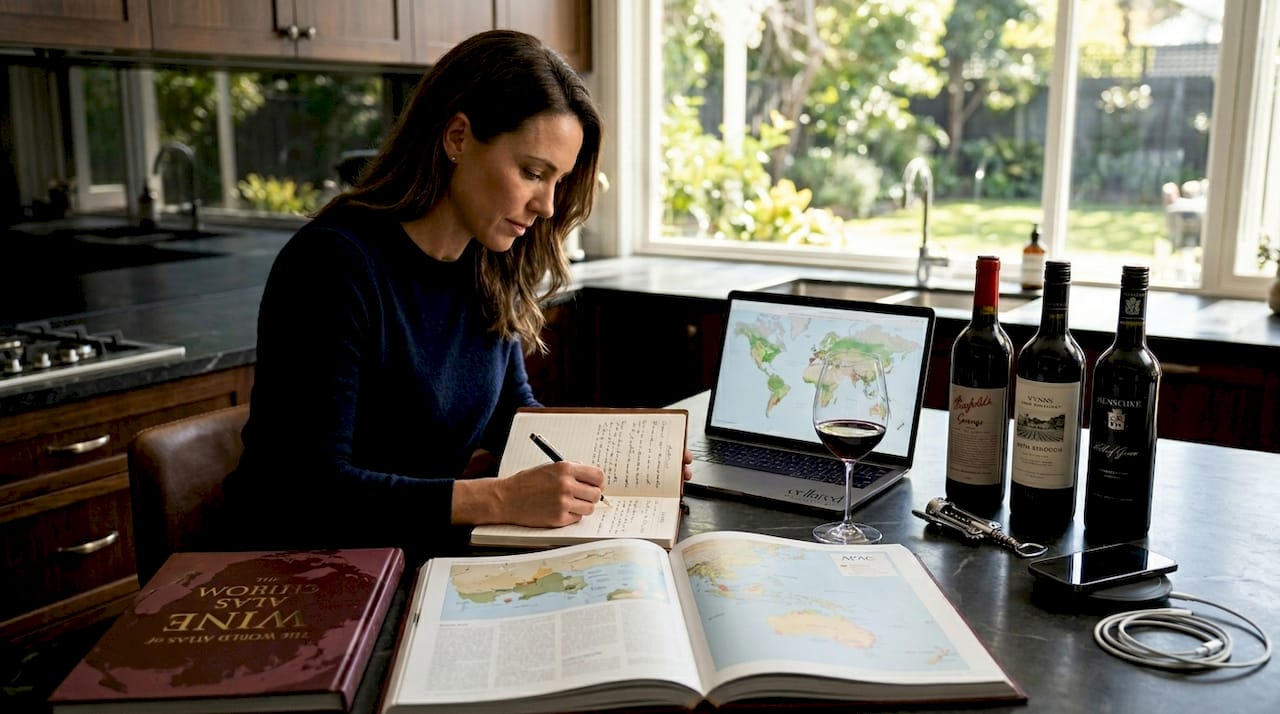
The finest collections do more than appreciate in value. They offer a form of tangible, sensory engagement that no equity portfolio can replicate. Understanding how to structure a collection for both performance and pleasure is the hallmark of a sophisticated investor-collector.
Here is how leading collectors approach portfolio strategy:
- Prioritise age-worthiness: Structure your holdings around wines with documented cellaring potential of fifteen years or more. These wines reward patience and command premium prices at auction.
- Buy in multiples: As noted earlier, purchasing in case quantities allows you to track maturity while preserving your investment position.
- Diversify by region and style: A resilient collection spans Burgundy, Bordeaux, Champagne, Italian icons, and top Australian producers, reducing exposure to any single market segment.
- Use technology: Tools such as CellarTracker or structured spreadsheet systems allow you to monitor drinking windows, track valuations, and manage inventory with precision.
- Review regularly: Market conditions shift. Annual reviews of your collection's composition ensure you are not overweight in underperforming segments.
The Liv-ex Fine Wine 1000 returned 14.10% over five years, with annual average returns of 8 to 12 percent and a notably low correlation to equity markets. This makes fine wine one of the more compelling alternative asset classes available to high-net-worth investors.
Pro Tip: Entry-level age-worthy wines from emerging producers, such as single-vineyard Shiraz from the Barossa or structured Nebbiolo from newer Australian makers, can offer exceptional value for collectors building a portfolio without paying icon premiums from day one.
For those ready to act, blue-chip buying strategies and disciplined organising of your collection are the two pillars on which lasting value is built.
What most collectors overlook about building value
There is a quiet orthodoxy in fine wine collecting that deserves scrutiny. The conventional wisdom, which prioritises Bordeaux and Burgundy above all else and chases short-term market movements, can actually constrain both financial performance and genuine enjoyment. As the fine wine market's $58 billion scale demonstrates, diversification across new regions and patient accumulation yield outsized returns over time.
At Cellared, we have observed that the collectors who build the most distinctive and financially resilient holdings are those who blend personal taste with market logic. They are not simply following auction catalogues. They are identifying tomorrow's icons in regions and up-and-coming producers today, before the market assigns a premium. The overlooked Champagne grower, the Barolo producer from a lesser-known commune, the Australian single-vineyard wine with extraordinary terroir expression: these are the bottles that define a collection's character and, in time, its extraordinary value.
Curate and manage your fine wine collection with expert support
Building a world-class collection demands more than access to the right bottles. It requires the kind of end-to-end expertise that bridges sourcing, valuation, and long-term stewardship.
Cellared Fine Wine works with collectors, investors, and private clients across Australia and the APAC region to source rare and exceptional wines, provide independent wine appraisals and valuations for insurance, probate, and advisory purposes, and deliver professional cellar management that protects both the wine and its value. Whether you are building a collection from the ground up or seeking to understand what you already hold, our team brings deep market knowledge and a highly personal approach to every engagement.
Frequently asked questions
What is the minimum bottle number for a fine wine collection?
A fine wine collection typically begins from 100 to 200 bottles, with a focus on age-worthy, provenance-tracked wines rather than sheer volume. Quality and documentation matter far more than quantity at any scale.
Which wine regions are essential for world-class collections?
Collections should include Burgundy, Bordeaux, Champagne, and top Australian regions as a foundation, with diversification into emerging regions such as Italy and APAC producers strongly advised for resilience and long-term performance.
Why is provenance so important in wine collections?
Provenance ensures the authenticity, value, and investment-grade status of each bottle. Impeccable provenance drives auction outcomes and is the single most important factor for future resale credibility.
How do fine wine collections perform as an investment?
Leading indices such as the Liv-ex Fine Wine 1000 showed 14.10% five-year growth, and fine wine is recognised for steady returns with low correlation to equity markets, making it a compelling alternative asset.
How should collectors store and manage their collections?
Professional cellaring, detailed inventory tracking, and regular reviews of drinking windows and valuations are essential. Professional storage and inventory tracking are the cornerstones of preserving both quality and long-term value.
Recommended
- Wine Cellar Management | Cellared | Bespoke Wine Buying, Valuation & Cellar Management
- Wine Appraisals & Valuations | Cellared | Bespoke Wine Buying, Valuation & Cellar Management
- Sell Your Wine Collection | Cellared | Bespoke Wine Buying, Valuation & Cellar Management
- Bespoke Fine Wine Buying | Cellared | Bespoke Wine Buying, Valuation & Cellar Management
- Wine gift ideas for every enthusiast: unique picks & tips