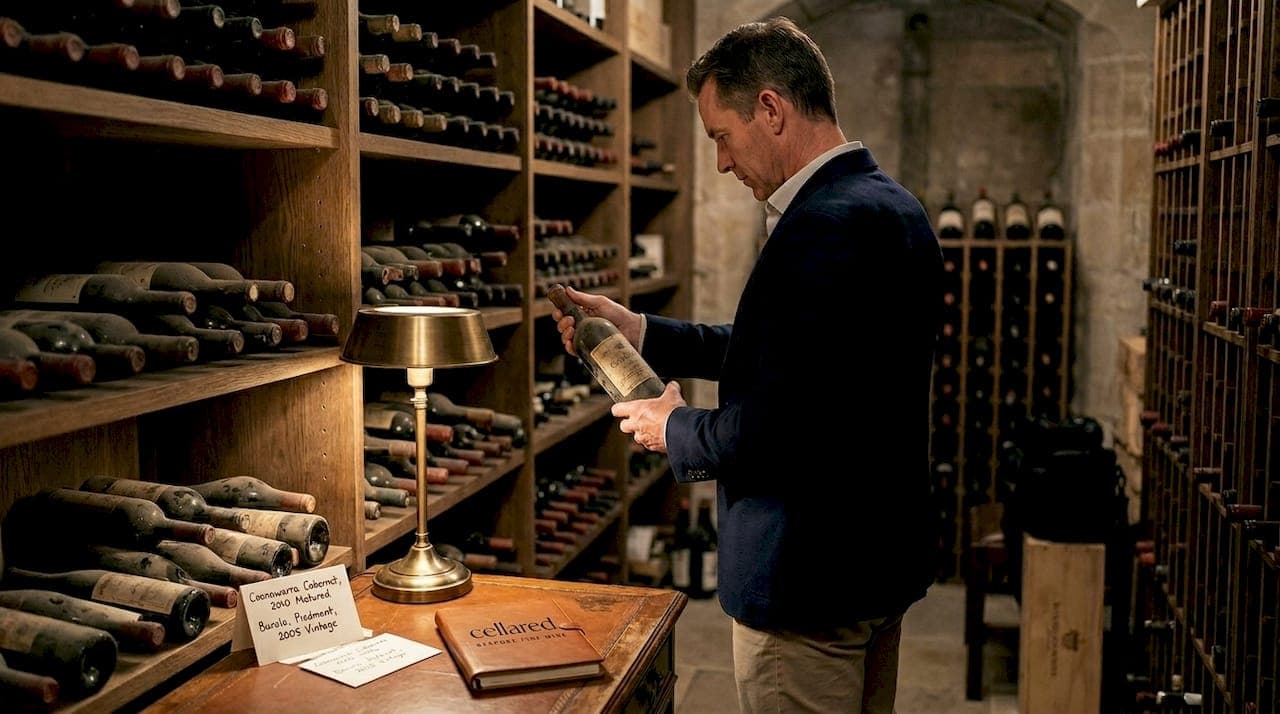
Few experiences in the world of fine wine are more frustrating than knowing a bottle exists and being completely unable to acquire it. A single-vineyard Burgundy released in tiny quantities, a prestige cuvée Champagne reserved for preferred clients, a mature Barolo from a legendary producer whose waiting list closed years ago. For collectors and investors across Australia and the broader APAC region, this is not an abstract scenario but a genuine and recurring challenge. This guide sets out the practical strategies, preparation steps, and access channels that allow serious buyers to move beyond wish lists and into the cellars where these extraordinary wines actually reside.
Table of Contents
- Why exclusive wines matter: value, prestige and investment
- What you'll need: preparing to access exclusive wines
- Step-by-step: how to secure rare allocations and off-market wines
- Safeguarding your investment: storage and verification essentials
- The future of wine exclusivity: opportunity or arms race?
- Unlocking your next rare vintage with expert help
- Frequently asked questions
Key Takeaways
| Point | Details |
|---|---|
| Curated access is essential | The rarest wines are typically secured through trusted brokers, allocations, and specialist networks rather than retail. |
| Returns rival other investments | Fine wine offers 8–12% average returns and unique portfolio diversification benefits for HNW investors. |
| Preparation matters | Building relationships and having professional storage in place are critical to both access and long-term value. |
| Emerging tech opens doors | Blockchain and fractionalisation now allow new ways to access exclusive wines beyond traditional closed circles. |
| Protect your assets | Professional storage, appraisals, and provenance verification safeguard your collection’s worth and authenticity. |
Why exclusive wines matter: value, prestige and investment
To understand why the pursuit of exclusive wines is so fierce, it helps to consider what these bottles actually represent. Beyond the liquid itself, which may be a profound expression of terroir and craftsmanship, rare wines carry considerable financial and cultural weight.
Fine wine, as an asset class, has demonstrated a historical average return of 8 to 12 percent annually, with a notably low correlation to equity markets. This makes it particularly compelling for high net worth investors seeking portfolio diversification without sacrificing prestige. Demand across China, India, and Southeast Asia continues to fuel projected annual growth of 5 to 8 percent in the APAC fine wine market, even as short-term corrections occur. Knight Frank's data noted wine values dipped 3.3% in 2024, yet the broader long-term trajectory for top labels remains robustly upward.
| Asset class | Historical average annual return | Correlation to equities |
|---|---|---|
| Fine wine (top labels) | 8 to 12% | Very low |
| Global equities (MSCI World) | 7 to 9% | Benchmark |
| Residential property (APAC) | 5 to 8% | Low to moderate |
| Gold | 3 to 6% | Negative in downturns |
Beyond numbers, there are the less quantifiable rewards. A case of First Growth Bordeaux gifted to a business partner conveys discernment and generosity in a way that no corporate gift can replicate. A cellar containing rare vintages from Romanée-Conti, Giacomo Conterno, or Egon Müller becomes a living archive of winemaking history, a legacy that can be passed to the next generation with considerable financial appreciation attached.
"Fine wine sits at the intersection of culture, craft, and capital. For the astute collector, exclusivity is not mere vanity; it is a strategy."
Obtaining accurate, independent fine wine valuations at key moments ensures this cultural and financial capital is properly understood and protected.
What you'll need: preparing to access exclusive wines
Entering the world of genuinely exclusive wines requires more than a willingness to spend. The most sought-after bottles are not simply bought; they are earned through preparation, relationships, and credibility.
The four pillars of readiness
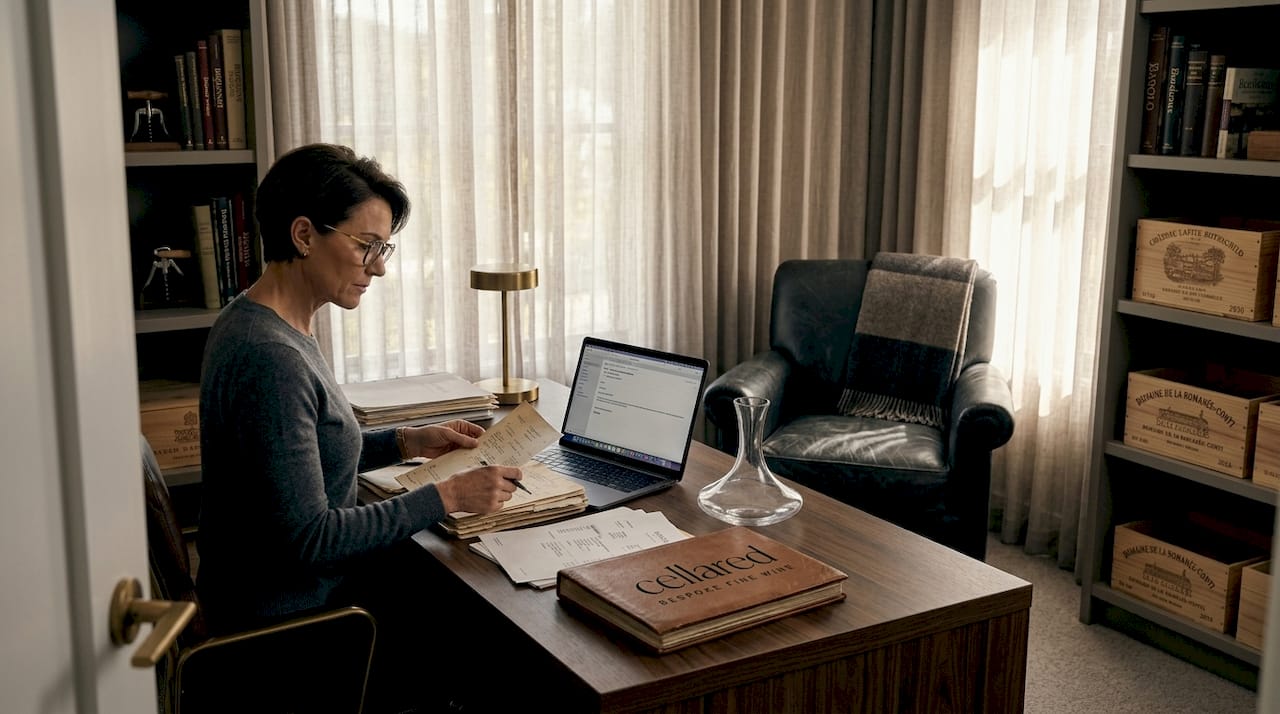
Before approaching top merchants, boutique importers, or specialist brokers, serious buyers should assess their standing across four key areas:
- Capital: Adequate funds committed specifically to wine, not just available in principle. Producers and brokers respond to buyers who act decisively, not those who deliberate for weeks.
- Knowledge: A working fluency in fine wine regions, producers, and vintages. You need not be an authority, but you must be a credible participant in the conversation.
- Network: Existing relationships with merchants, sommeliers, collectors, or advisors who can provide introductions.
- Storage: A verified plan for professional wine storage that preserves provenance and protects value from the moment of purchase.
Ultra-high net worth individuals in APAC are projected to grow by 30% by 2030, intensifying competition for exactly the allocations you are targeting. Professional storage, in temperature and humidity-controlled vaults with documented custody records, is not optional. It is the foundation of provenance, and provenance is what separates a bottle worth ten times its original price from one worth only the liquid inside it.
Clarifying your goals
Different objectives lead to very different acquisition strategies. Consider which category best describes your purpose:
| Goal | Preferred strategy | Key priority |
|---|---|---|
| Financial investment | Allocation purchases, off-market | Appreciation potential, provenance |
| Pleasure and drinking | Merchant relationships, en primeur | Condition, drinking window |
| Gifting or legacy | Bespoke sourcing, private treaty | Rarity, presentation, history |
| Collection building | Auctions, mixed channels | Cellar diversity, coherence |
Knowing your goals before engaging the market also signals seriousness to the suppliers and brokers you approach. It transforms an exploratory inquiry into a substantive conversation. If you are not yet certain of your direction, attending tastings with experienced advisors is a measured and enjoyable way to develop clarity.
Pro Tip: Schedule a formal appraisal of any existing wines before making new acquisitions. Understanding what you already hold informs smarter, more strategic buying decisions.
Step-by-step: how to secure rare allocations and off-market wines
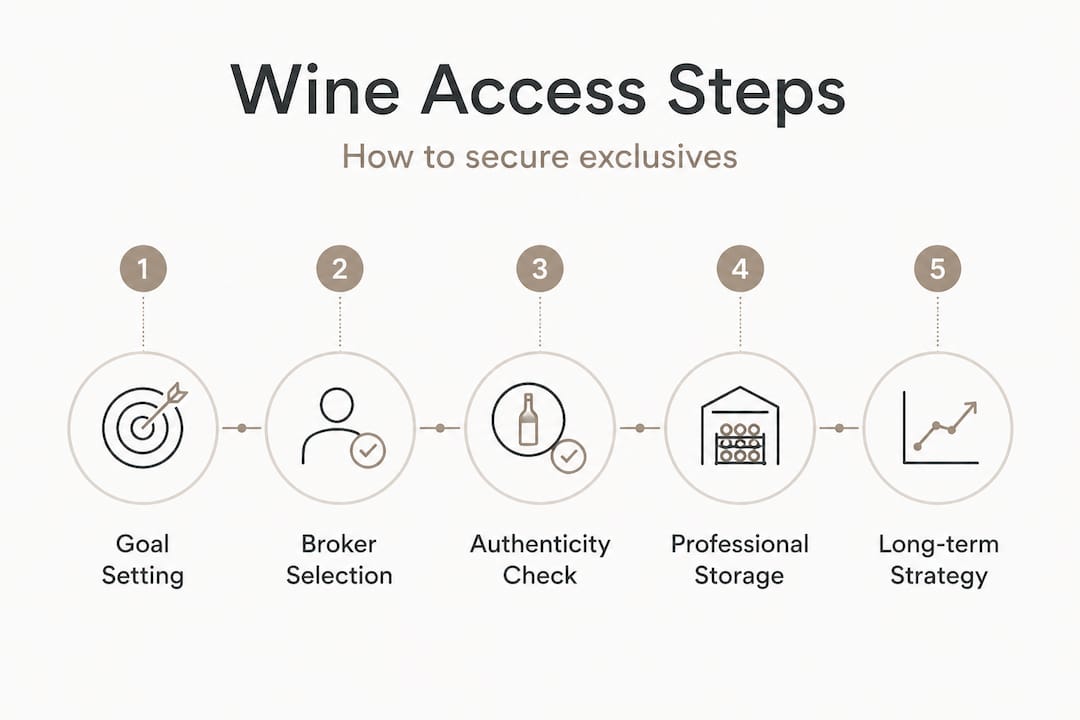
With preparation in place, the practical work of securing exclusive wines becomes both more achievable and more rewarding. The following ordered process reflects how the most successful collectors in Australia and APAC operate.
-
Build direct relationships with négociants and specialist merchants. The most consistent access to prestigious allocations comes through long-standing relationships, not one-off purchases. Négociants in Bordeaux and Burgundy control significant volumes of the finest wines and reserve allocations for trusted clients. Establishing a track record with a shortlist of respected merchants, rather than spreading purchases across many, builds the kind of loyalty that translates to preferential access.
-
Cultivate boutique importer connections in Australia. A small number of Australian importers hold exclusive representation for individual domaines or estates. These importers often host private events and tastings for their best clients, offering access to wines that never appear in retail channels. Attending these events and making genuine contributions to the conversation positions you as more than a buyer; you become part of a community.
-
Pursue off-market and private treaty channels for unicorn bottles. The rarest wines, including mature vertical collections and bottles from closed estates, rarely surface at public auction. Off-market private treaty sales are the primary channel for these acquisitions, facilitated by brokers who operate discreetly between motivated sellers and qualified buyers. For sourcing rare wines at this level, specialist bespoke services are essential.
-
Explore blockchain and fractional ownership platforms. Blockchain tokenisation is emerging as a genuine access channel, allowing qualified buyers to hold fractional ownership of high-value bottles or cases. While still maturing as a market, these platforms lower the barrier to entry for exceptional bottles and provide transparent provenance records that traditional paperwork cannot always match. For APAC collectors interested in diversification without committing to full case purchases, this represents a genuinely promising development.
-
Attend international and regional auction houses targeting APAC buyers. Major auction houses including Christie's, Sotheby's, and regional specialists hold dedicated fine wine sales that attract serious APAC bidders. Pre-sale previews, specialist advice, and post-sale delivery logistics are all part of the service. For exclusive Champagne blends and other prestige cuvées, auction remains a reliable discovery and acquisition channel.
Statistic: APAC demand from China and India alone is projected to grow the fine wine market by 5 to 8 percent annually, creating both opportunity and competitive pressure for Australian collectors seeking the same bottles.
Pro Tip: The single most effective step is to identify one or two specialist brokers who operate in your specific area of interest, whether that is First Growth Bordeaux, Grand Cru Burgundy, or Italian icon producers, and invest time in building genuine rapport before making your first purchase.
Safeguarding your investment: storage and verification essentials
Acquiring an exceptional wine is only half the work. Protecting it, verifying its authenticity, and maintaining its value requires a structured and ongoing commitment that many collectors underestimate.
Professional storage: non-negotiable
Home storage is the single most common error made by otherwise astute collectors. Even purpose-built residential cellars rarely maintain the precise temperature stability, humidity control, and darkness that fine wine demands over decades. A bottle stored improperly for even a short period can suffer irreversible damage that erases years of appreciation.
Ultra-HNWI growth across APAC is projected at 30% by 2030, and professional-grade facilities are responding with custody records, condition reporting, and reputational accountability that home cellars simply cannot replicate. Fine wine storage solutions at this level are designed to preserve not just the liquid but the provenance chain that sustains value.
Provenance and verification essentials
For rare and high-value bottles, provenance is everything. The key actions every collector should take include:
- Demand full provenance documentation with every purchase, including original purchase receipts, storage records, and custody history.
- Inspect labels, capsules, and fill levels in person or through a trusted representative before committing to a transaction.
- Schedule periodic professional appraisals to keep valuations current and aligned with market movements. Regular appraisal services ensure your insurance coverage reflects actual market value.
- Understand insurance implications from the moment of purchase. Fine wine requires specialist insurance policies that account for breakage, temperature incidents, and theft, all of which differ substantially from standard home contents cover.
- Maintain meticulous records of every transaction, storage movement, and condition assessment. These records become the foundation of any future sale, estate valuation, or legal proceeding.
"Provenance is the biography of a bottle. Without it, even the greatest wine tells only half its story."
The errors that most frequently damage collections are not dramatic thefts or floods. They are accumulated small oversights: bottles moved without documentation, records not updated, insurance policies not reviewed as values grow. A structured and disciplined approach to verification is what separates a collection that retains and grows its value from one that creates problems at precisely the moments it should be performing most reliably.
The future of wine exclusivity: opportunity or arms race?
There is a prevailing assumption among many collectors that the path to exclusive wines runs exclusively through old networks: the right school, the right club, the right introduction. This assumption is becoming increasingly outdated, and the collectors who recognise this first are the ones who will access the most extraordinary bottles over the next decade.
Traditional access models do still favour relationships, and those relationships remain worth cultivating. However, new channels are genuinely altering the landscape. Blockchain-verified provenance, tokenised ownership, and sophisticated data platforms are creating transparency where opacity once existed and broadening access beyond the historically closed circles of European négociants and private brokers.
The most forward-thinking collectors we observe are not simply those with the deepest pockets. They are the ones who invest as seriously in information and relationships as they do in bottles. They track emerging regions and producers before consensus forms. They build connections with multiple specialists across different categories and geographies. They see bespoke sourcing insights as an ongoing intellectual pursuit, not merely a transactional service.
Fractionalisation and tokenisation, far from diluting the prestige of rare wines, are widening the market without diminishing the value of whole-bottle ownership for those who hold it. When more participants understand and value exceptional wine, the underlying market deepens and becomes more resilient. The exclusivity arms race, when approached intelligently, becomes an opportunity rather than an obstacle.
The collectors who will thrive are those who combine patience with decisiveness, who build authentic expertise rather than outsourcing all judgement to others, and who treat their advisors as genuine partners in a long-term endeavour. The world's finest wines reward exactly this kind of sustained, thoughtful engagement.
Unlocking your next rare vintage with expert help
Navigating the landscape of exclusive wine access is considerably more rewarding with the right specialist at your side. At Cellared Fine Wine, we work with collectors, investors, and private clients across Australia and APAC to simplify every stage of the process.
From bespoke fine wine buying that reaches into off-market allocations and private treaty channels, to professional cellar management that safeguards provenance and value, our services are built for those who demand both excellence and clarity. Whether you are building a new collection, expanding an existing one, or seeking an independent valuation for insurance or advisory purposes, Cellared brings meticulous market knowledge and a deeply personal approach to every engagement. Contact us to arrange a private consultation and take the next step with confidence.
Frequently asked questions
What makes a wine 'exclusive' and how do I identify one?
Exclusive wines are produced in limited quantities from prestigious regions, and they often require invitation-only or allocation-based purchasing from vetted merchants or brokers. Labels with demonstrated fine wine ROI over time and strong APAC demand are reliable markers of genuine exclusivity.
How risky is investing in exclusive wines compared to shares?
Fine wine has shown lower correlation to equities and steady historical average returns between 8 and 12 percent, though year-to-year prices do fluctuate, as demonstrated by the 3.3 percent dip in values recorded by Knight Frank in 2024.
Do I need a broker or can I buy direct?
You can purchase directly through some merchants or auction houses, but specialist brokers often unlock off-market private treaty allocations and handle provenance verification for the rarest bottles, providing access that direct approaches rarely achieve.
How do I ensure the wines I buy aren't counterfeit?
Always demand full provenance documentation and purchase through reputable brokers or direct allocations from verified importers. With ultra-HNWI growth in APAC intensifying competition, professional appraisals and verification technology are increasingly important safeguards.
Is off-market or blockchain access really available to Australian collectors?
Off-market deals and blockchain-fractional ownership platforms are increasingly reaching APAC buyers, particularly through specialist brokers and new digital exchanges that are actively targeting the growing Australian and regional collector base.
Recommended
- Bespoke Fine Wine Buying | Cellared | Bespoke Wine Buying, Valuation & Cellar Management
- Wine Cellar Management | Cellared | Bespoke Wine Buying, Valuation & Cellar Management
- Wine Tasting Events | Cellared | Bespoke Wine Buying, Valuation & Cellar Management
- Cellared Fine Wine | Bespoke Wine Buying, Valuation & Cellar Management