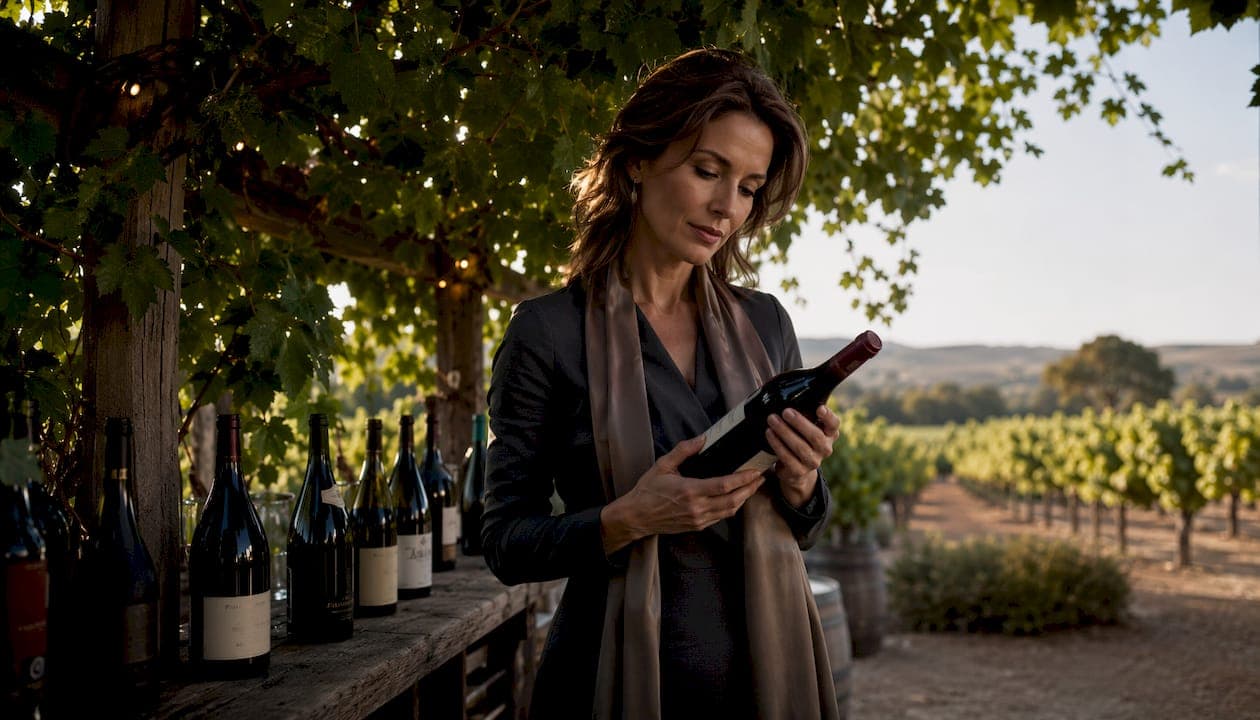
South Australia wines represent the pinnacle of Australian winemaking, with the state producing over 50% of Australian wine and earning consistent global recognition. The 2021 Penfolds Bin 95 Grange and Wynns Black Label Cabernet claimed the top two positions in Langtons' 2026 international Top 6 list, confirming what collectors have long understood. Across 18 recognised wine regions, South Australia delivers a breadth of terroir, climate, and varietal expression that no other Australian state matches. Whether you are building a cellar, planning a tasting itinerary, or simply seeking your next great bottle, this guide covers the regions, styles, and experiences that matter most.
1. Which are the top South Australian wine regions?
South Australia's wine regions span warm, sun-drenched valleys and cool, elevated ridges, each producing wines with a distinct character shaped by their terroir. Understanding these South Australia wine regions is the foundation of any serious collection or tasting itinerary.
Barossa Valley The Barossa is Australia's most celebrated wine region, with a winemaking heritage stretching back nearly 200 years. It produces bold, concentrated Shiraz and Grenache from some of the oldest vines on earth, with Barossa vines dating to 1843. That age translates directly into depth, concentration, and extraordinary ageing potential.
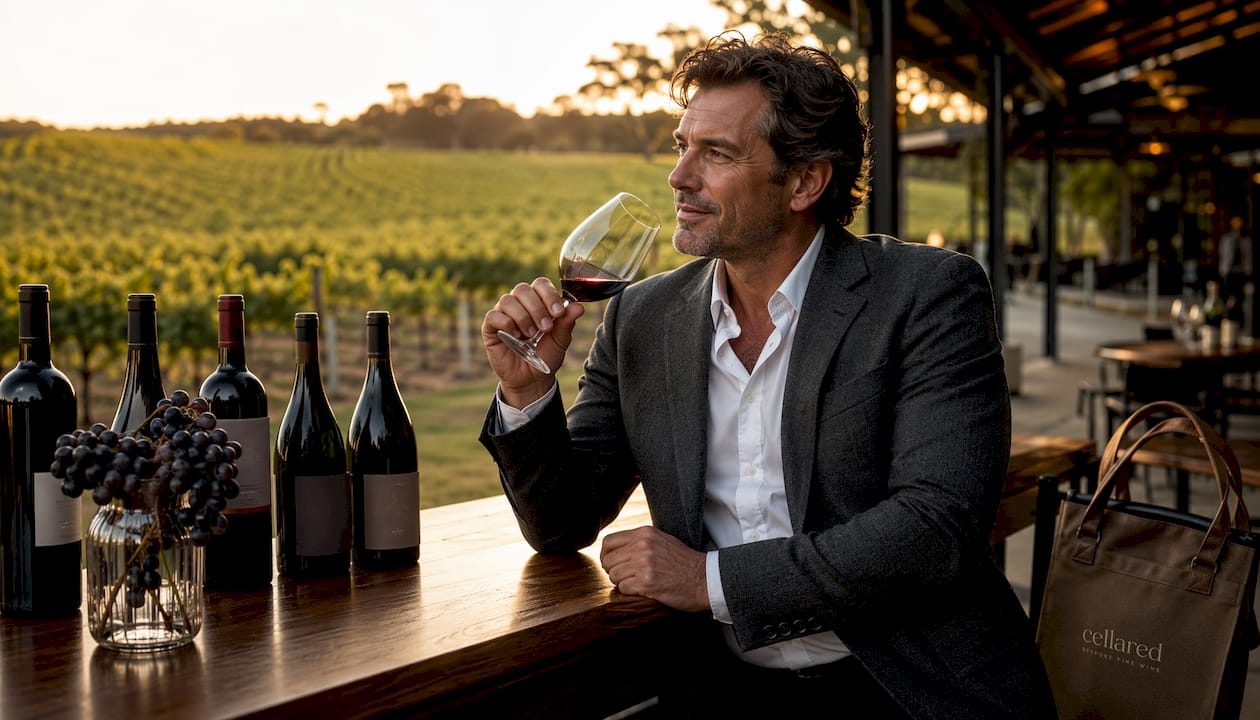
McLaren Vale McLaren Vale sits just 40 minutes south of Adelaide and shares Barossa's warm-climate character. The region excels in Shiraz, Grenache, and Grenache Shiraz Mourvèdre blends, with a maritime influence from the Gulf St Vincent adding freshness to otherwise full-bodied wines.
Clare Valley The Clare Valley is the spiritual home of Australian Riesling, with 160 years of winemaking history underpinning its reputation. The region's high altitude and cool nights produce Riesling with a steely acidity and citrus precision that ages beautifully over decades.
Adelaide Hills Adelaide Hills is South Australia's cool-climate jewel. Elevated vineyards produce elegant Chardonnay, Pinot Noir, and Sauvignon Blanc with a restraint and finesse rarely found in warmer Australian regions.
Other recognised regions South Australia's breadth extends well beyond these four anchors:
- Coonawarra is synonymous with structured Cabernet Sauvignon grown on its famous terra rossa soils.
- Padthaway and Wrattonbully produce Cabernet and Shiraz of consistent quality for collectors seeking value.
- Eden Valley sits adjacent to the Barossa and produces refined Riesling and Shiraz at altitude.
- Langhorne Creek delivers soft, fruit-forward reds with reliable ageing capacity.
2. What are the best South Australian wines and varietals in 2026?
The best South Australian wines in 2026 are defined by both critical acclaim and ageing potential. Collectors should prioritise wines with documented provenance and a clear cellaring trajectory.
Globally ranked reds The 2021 Penfolds Bin 95 Grange and Wynns Black Label Cabernet ranked first and second in Langtons' 2026 international Top 6 list. These are not merely Australian benchmarks. They compete with the finest wines produced anywhere in the world.
Red wines from South Australia worth seeking
- Barossa Shiraz from old-vine parcels delivers dark fruit, earth, and a tannic backbone built for decades of cellaring.
- McLaren Vale Grenache and GSM blends offer a silkier texture with red berry complexity and savoury spice.
- Coonawarra Cabernet Sauvignon shows the classic cassis and cedar profile that collectors associate with long-term investment.
White wines from South Australia
- Clare Valley Riesling is the standout white for ageing. Its high acidity and citrus core develop into toasty, petrol-tinged complexity over 10–20 years.
- Adelaide Hills Chardonnay is crafted in a Burgundian style, with stone fruit, oak integration, and a mineral finish that rewards patience.
- Adelaide Hills Pinot Noir bridges the gap between red and white wine lovers, offering elegance over power.
Drinking windows and ageing Langtons' General Manager emphasises building balanced collections by distinguishing cult Australian classics meant for long-term cellaring from cool-climate whites suited to immediate enjoyment. Grange and top Barossa Shiraz typically require a minimum of 10 years before they begin to reveal their full complexity. Clare Valley Riesling can be enjoyed young but rewards those who wait.
Pro Tip: When assessing a wine's ageing potential, look for documented old-vine status and historical vineyard data rather than relying on label claims alone. Authentic old-vine characteristics produce measurably greater concentration and a more defined ageing profile.
3. How have cellar door and tasting experiences evolved in South Australia?
South Australia wine tasting has shifted decisively away from casual walk-in visits toward curated, appointment-based experiences. This shift reflects the seriousness with which top estates now approach their cellar door programmes.
Boutique tastings at premium estates now focus on old-vine parcels, rare library releases, and behind-the-scenes vineyard access. Wirra Wirra in McLaren Vale, for example, offers expert-led tastings designed to deepen understanding of terroir and winemaking philosophy across both cool and warm climate styles. These experiences go well beyond pouring a flight of current releases.
Seated, multi-course tasting experiences paired with estate dining have become the standard at top wineries in South Australia. Many estates operate restaurants from late morning through to evening, though hours vary and mid-week closures are common. Combining a seated tasting with lunch at an estate restaurant is now the preferred format for serious collectors visiting the Barossa or McLaren Vale.
Appointment-based tastings at premium estates require 1–2 weeks advance booking to access rare wines and senior winemaking staff. Walk-in visits are becoming increasingly rare at the top tier. Booking ahead also secures access to old-vine parcels and specialist commentary that walk-in visitors simply do not receive.
Most top-tier estates sit within 50–60 minutes of Adelaide, making day trips entirely feasible. That said, the logistics of visiting multiple estates in a single day require careful planning. Restaurant hours, cellar door session times, and travel between regions all need coordination.
Pro Tip: Plan your wine tasting trip at least two weeks in advance. Book two estates per day at most, and confirm restaurant hours separately from tasting bookings, as they often differ.
4. What collectors should know about building a South Australian wine collection
Building a collection around South Australian wines requires a clear strategy, not simply buying whatever receives high scores in a given vintage.
Distinguish cellaring wines from drinking wines The most common mistake collectors make is treating all South Australian reds as long-term cellaring candidates. Collectors should build balanced portfolios that blend long-term classics with fresh cool-climate wines for social drinking. A cellar stocked entirely with young Barossa Shiraz offers no pleasure in the short term.
Verify old-vine status carefully Old-vine designations carry significant weight in the Barossa and McLaren Vale, but not all claims are equal. Verification of authentic old-vine status requires looking beyond labels to historical planting data and pedigree. Some Barossa vines date to 1843, and wines from these parcels command premium prices and age on a different trajectory entirely.
Build across regions and styles
- Include Barossa and McLaren Vale reds for long-term cellaring and prestige.
- Add Clare Valley Riesling for a white wine that genuinely ages.
- Incorporate Adelaide Hills Chardonnay and Pinot Noir for near-term enjoyment with genuine quality.
- Consider Coonawarra Cabernet for structured reds with a proven international track record.
Use professional cellar management A collection of any meaningful size benefits from professional oversight. Private cellar management covers storage conditions, insurance, provenance tracking, and drinking window advice. These are not luxuries for large collections. They are the difference between wines that reach their potential and bottles that are opened too early or stored incorrectly.
Pro Tip: Pair your wine and charcuterie selections deliberately when entertaining from your cellar. A well-aged McLaren Vale Grenache alongside cured meats reveals dimensions of the wine that a solo tasting simply cannot.
5. Why South Australian red wines deserve a place in every serious cellar
South Australian red wines are among the most age-worthy produced anywhere in the world. The combination of old-vine material, warm growing seasons, and meticulous winemaking produces reds with the structure and fruit density to evolve over decades. Collector-worthy red wine brands from the Barossa and McLaren Vale consistently appear in international auction results alongside classified Bordeaux and top Burgundy.
Penfolds Grange is the most obvious example, but the depth of quality extends well beyond a single label. Estates producing single-vineyard old-vine Shiraz, Grenache, and Cabernet from South Australia's premium regions represent genuine long-term value. The 2021 vintage in particular has drawn exceptional critical attention, with Langtons' 2026 rankings confirming its standing.
The ageing curve for top Barossa Shiraz typically runs 10–30 years from vintage. That patience is rewarded with wines that develop extraordinary complexity, moving from primary dark fruit into leather, earth, dried herbs, and spice. This is the kind of evolution that separates a great wine from a merely good one.
Key takeaways
South Australia produces over half of all Australian wine and is home to the country's most globally acclaimed reds, most age-worthy whites, and most sophisticated cellar door experiences.
| Point | Details |
|---|---|
| Production dominance | South Australia produces over 50% of Australian wine, leading the nation in both volume and quality. |
| Top-ranked wines | The 2021 Penfolds Grange and Wynns Black Label Cabernet ranked first and second globally in Langtons' 2026 Top 6 list. |
| Regional diversity | Eighteen recognised regions span warm-climate Shiraz and Grenache to cool-climate Riesling and Chardonnay. |
| Tasting evolution | Premium cellar doors now require 1–2 weeks advance booking for seated, old-vine, and behind-the-scenes experiences. |
| Collection strategy | Balance long-term cellaring reds with cool-climate whites for immediate enjoyment and portfolio breadth. |
Why South Australian wines still surprise me
David's perspective on a region that never stops delivering
I have spent years working with collectors across Australia, and South Australia consistently produces the wines that generate the most animated conversations. Not because they are fashionable, but because they are genuinely exceptional and, in many cases, still undervalued relative to their international peers.
What strikes me most is the regional diversity. Collectors who fixate on Barossa Shiraz are missing the Clare Valley's extraordinary Riesling, which ages as gracefully as anything from Alsace. They are also missing the Adelaide Hills' quiet emergence as a serious cool-climate producer. These are not consolation prizes. They are wines that stand on their own terms.
The cellar door experience in South Australia has also matured in a way that rewards the prepared visitor. Estates that once offered casual walk-in pours now provide genuinely educational, immersive experiences. If you book ahead and engage seriously, you will leave with a far deeper understanding of why a particular wine tastes the way it does. That context changes how you drink and collect.
My honest advice: do not overlook the lesser-known regions. Wrattonbully, Eden Valley, and Langhorne Creek all produce wines of real quality at prices that have not yet caught up with their merit. The collectors who are paying attention now will be the ones with the most interesting cellars in ten years.
— David
Building your South Australian wine collection with Cellared
South Australia's finest wines deserve more than a spare shelf in a temperature-variable room. For collectors who are serious about acquiring, managing, and valuing their bottles, Cellared Fine Wine offers a genuinely personal service built around deep market knowledge.
Cellared provides bespoke wine buying for collectors seeking rare and hard-to-find South Australian bottles, including older vintages and single-vineyard parcels that rarely appear on the open market. The team also offers professional wine cellar management and independent wine appraisals and valuations for insurance, probate, and private advisory purposes. If you are ready to collect with greater clarity and confidence, Cellared Fine Wine is the place to start.
FAQ
What wine is South Australia most famous for?
South Australia is most famous for Barossa Valley Shiraz, particularly Penfolds Bin 95 Grange, which ranked first in Langtons' 2026 international Top 6 list. Clare Valley Riesling is the state's most celebrated white wine style.
How many wine regions does South Australia have?
South Australia has 18 recognised wine regions, spanning warm-climate valleys such as the Barossa and McLaren Vale to cool-climate areas including the Adelaide Hills and Clare Valley.
Do I need to book cellar door tastings in advance?
Premium South Australian estates now require bookings 1–2 weeks in advance for seated and old-vine tastings. Walk-in visits are becoming uncommon at top-tier wineries, and advance booking secures access to rare wines and specialist commentary.
Which South Australian wines are best for long-term cellaring?
Barossa Valley Shiraz, Coonawarra Cabernet Sauvignon, and Clare Valley Riesling are the strongest candidates for long-term cellaring. Top Barossa Shiraz typically requires a minimum of 10 years before it reveals its full complexity.
How far are South Australia's wine regions from Adelaide?
Most top-tier estates in the Barossa Valley and McLaren Vale sit within 50–60 minutes of Adelaide, making day trips feasible. Careful planning of tasting bookings and dining hours is needed to make the most of a visit.