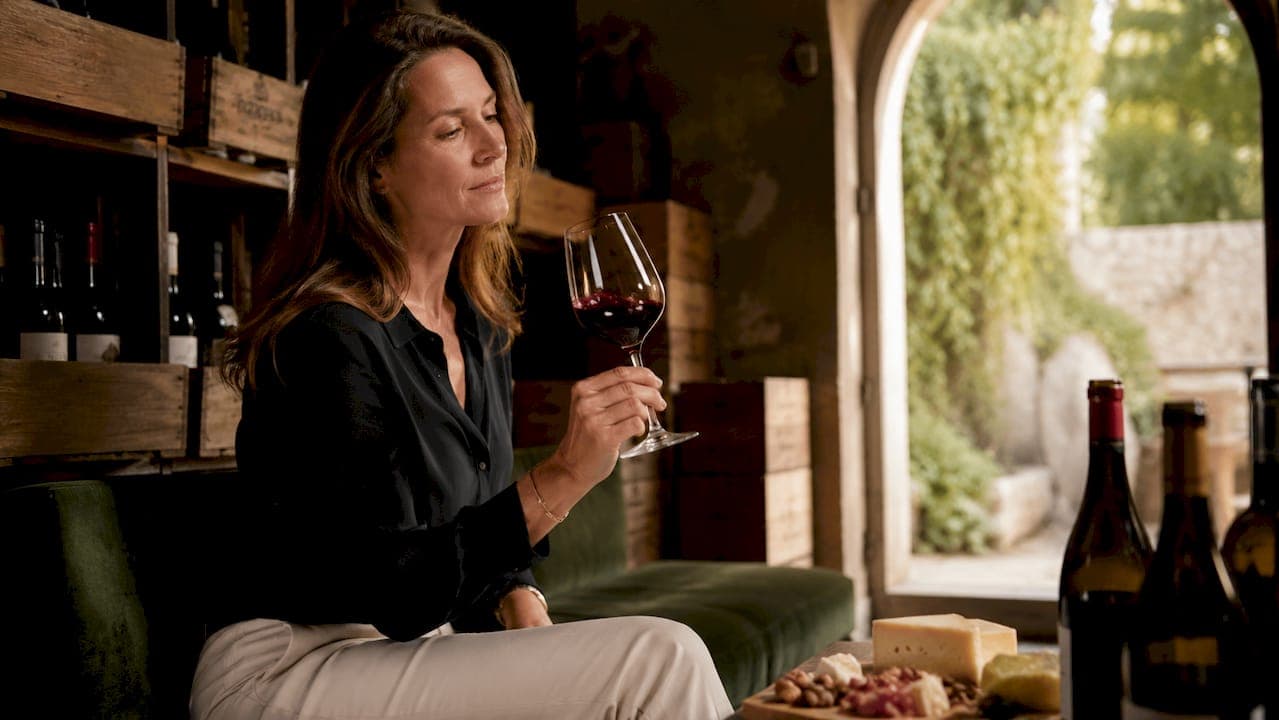
Wine enjoyment is the deliberate practice of tasting, storing, serving, and savouring each bottle to draw out its full character and complexity. This guide to optimising wine enjoyment covers the five-step tasting framework, ideal storage conditions, serving temperatures, glassware choices, and the environmental factors that shape every sip. Whether you are building a serious collection or simply want more pleasure from a midweek bottle, these techniques apply immediately. No specialist equipment is required. What is required is attention, a little patience, and the willingness to engage with what is in your glass.
What is the guide to optimising wine enjoyment?
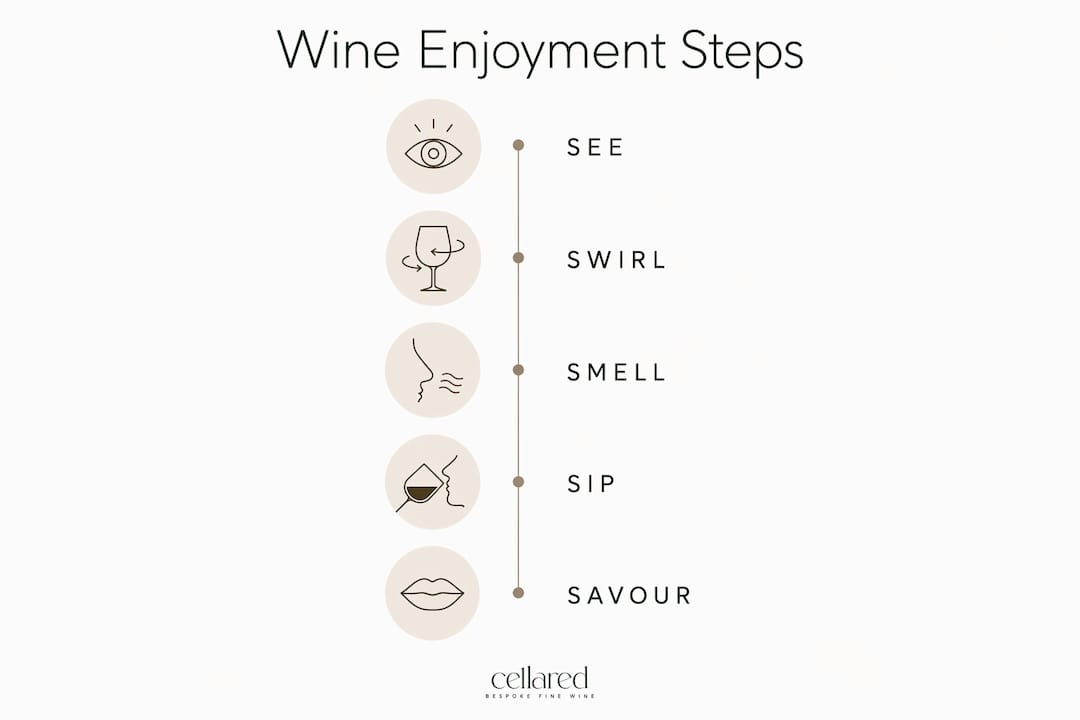
Wine appreciation, the formal term for the disciplined study of wine's sensory qualities, underpins everything in this guide. The 5-step tasting framework is See, Swirl, Smell, Sip, and Savour. Each step builds on the last, and skipping any one of them narrows your perception of the wine considerably.
The goal is not to perform expertise. The goal is pleasure. As one tasting guide puts it, the key question at every stage is simply: "Do I want another sip?" That single question shifts the experience from anxiety to genuine enjoyment.
Proper storage, correct serving temperature, and a neutral tasting environment each compound the effect of good technique. Together, they form the foundation of every satisfying glass.
How does the professional wine tasting process work?
The five steps are practical, not ceremonial. Each one activates a different sensory channel and builds a fuller picture of the wine.
-
See. Hold the glass against a white background and observe the colour and clarity. A deep ruby signals a full-bodied red; a pale lemon-green suggests a crisp, young white. Colour also hints at age: browning edges in a red or deep gold in a white often indicate maturity.
-
Swirl. Swirling introduces oxygen and releases volatile aromatic compounds. A gentle rotation for five to ten seconds is sufficient. The "legs" or "tears" that run down the glass after swirling indicate alcohol and glycerol content, though they say little about quality.
-
Smell. Take two or three short sniffs rather than one long inhale. Your olfactory system fatigues quickly, so brief, repeated sniffs capture more. Identify broad categories first: fruit, earth, oak, floral. Precision comes with practice, not pressure.
-
Sip. Draw the wine across your entire palate. Assess the balance of acidity, tannin, alcohol, and sweetness. A well-made wine holds these in proportion. No single element should dominate or feel harsh.
-
Savour. The finish is the wine's final statement. High-quality wine finishes linger for ten seconds or more, indicating complexity and careful winemaking. A short, abrupt finish often signals a simpler wine.
When tasting multiple wines, serve them in order: sparkling first, then light whites, richer whites, lighter reds, fuller reds, and finally dessert wines. This sequence protects your palate from flavour fatigue and lets each wine show its best.
Pro Tip: A single medium tulip-shaped glass concentrates aromas effectively for most wine styles. You do not need a different glass for every variety. One quality tulip glass simplifies hosting and improves the tasting experience for every guest.
How do storage conditions influence wine quality?
Storage is where wine either matures gracefully or deteriorates prematurely. The ideal storage temperature is 10–15°C with relative humidity between 60–75%. These conditions preserve cork integrity, protect labels, and allow slow, even development of flavour and complexity.
Temperature fluctuations are the primary threat. Constant temperature changes cause the cork to expand and contract repeatedly, which allows air to enter the bottle and triggers oxidation. Storing wine above 25°C accelerates chemical degradation, with the rate doubling for every 10°C increase. That means a bottle stored in a warm kitchen ages far faster than one kept in a cool cellar.
Light is equally damaging. UV exposure damages wine compounds, producing off-flavours that cannot be reversed. Tinted bottles offer limited protection. Complete darkness is the only reliable solution.
Key storage principles to apply at home:
- Temperature: Keep wine between 10–15°C. Avoid rooms that heat up in summer or cool sharply in winter.
- Humidity: Aim for 60–75%. A small bowl of water placed near your storage area raises humidity in a dry space.
- Light: Store bottles away from windows and fluorescent lighting. A cupboard, wardrobe, or dedicated wine fridge works well.
- Vibration: Avoid storing wine near appliances, washing machines, or high-traffic areas. Vibration disturbs sediment and disrupts the slow chemical processes that build complexity.
- Orientation: Store corked bottles on their sides to keep the cork moist and prevent it from drying out and shrinking.
| Storage factor | Ideal condition | Common mistake |
|---|---|---|
| Temperature | 10–15°C, stable | Storing near an oven or in a warm pantry |
| Humidity | 60–75% | Dry environments that dry out corks |
| Light | Complete darkness | Near a window or under fluorescent lights |
| Vibration | Minimal | On top of the fridge or near a washing machine |
| Bottle position | Sideways (corked) | Standing upright long-term |
Pro Tip: Regular kitchen fridges cause vibration and extreme temperature fluctuations. They are unsuitable for anything beyond short-term chilling. A dedicated wine fridge with stable temperature control is the single best investment for anyone serious about preserving wine quality at home.
What serving practices enhance flavour and aroma?
Temperature is the most immediate lever you have over a wine's flavour. Serving a white wine too cold suppresses its aromatics and makes it taste flat. Serving a red too warm amplifies the alcohol and makes the wine feel heavy and unbalanced. Adjusting serving temperature even slightly transforms taste perception in ways that no glass or decanter can replicate.
General serving temperature guidelines by wine style:
- Sparkling wines: 6–8°C. Cold preserves the bubbles and keeps the palate refreshed.
- Light and aromatic whites: 8–10°C. Slightly warmer than sparkling to allow delicate aromas to open.
- Full-bodied whites and orange wines: 12–14°C. These wines carry more texture and benefit from a little warmth.
- Light reds such as Pinot Noir or Gamay: 14–16°C. Slightly chilled, which is cooler than most people serve them.
- Full-bodied reds such as Shiraz or Cabernet Sauvignon: 16–18°C. Cooler than standard room temperature in most Australian homes.
- Dessert wines and fortifieds: 10–14°C depending on style.
Decanting is useful but not universal. Many young or delicate wines need only 20 minutes of breathing to open up. Over-decanting can flatten flavours by stripping away the volatile compounds that give a wine its character. Older wines with sediment benefit from careful, slow decanting, but should be served promptly after.
For wine tasting events or multi-bottle dinners, glassware choice matters more than most people realise. A tulip-shaped glass with a narrowed rim concentrates aromas toward the nose. One quality glass per person is sufficient for most occasions.
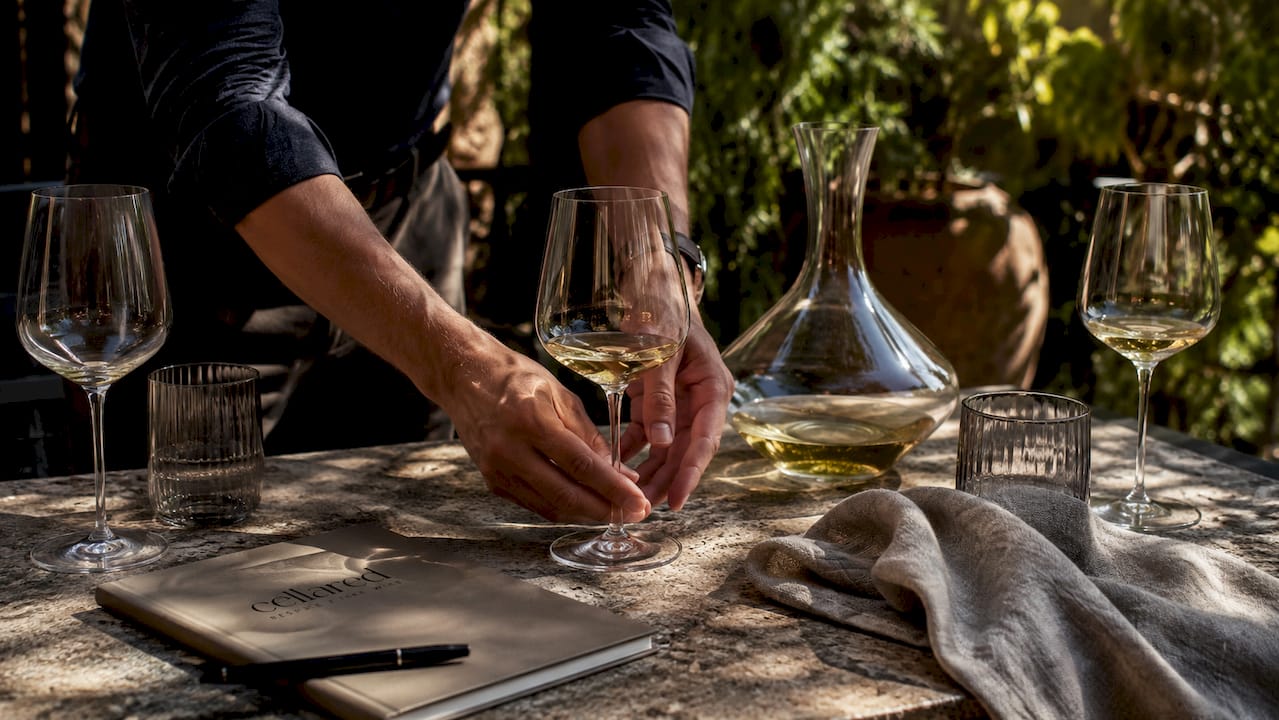
Pro Tip: Re-taste your wine every 15–20 minutes after opening. Many wines shift significantly as they breathe, and re-tasting after opening helps you identify the window when the wine is at its most expressive and enjoyable.
How does environment and mindset shape the tasting experience?
The environment around you affects your perception of wine as much as the wine itself. Strong perfumes and ambient odours impair the olfactory experience severely. A scent-neutral, quiet space improves sensory focus and allows the wine's aromas to register clearly.
Practical steps to create a better tasting environment:
- Avoid wearing strong perfume or cologne before tasting.
- Keep scented candles, air fresheners, and cooking smells out of the tasting space.
- Use neutral white or cream backgrounds when assessing wine colour.
- Reduce background noise where possible. Distraction fragments attention and reduces sensory acuity.
- Taste before eating rather than during a heavy meal, when possible.
Mindset matters as much as setting. The pressure to identify every aroma or name every flavour compound is the fastest way to stop enjoying wine. Keeping a simple wine journal, noting what you liked and why, builds personal preference over time without requiring formal training. The goal is to develop your own palate, not to replicate a sommelier's vocabulary.
Hosting a relaxed tasting at home is one of the most effective ways to learn. Invite a few friends, open three or four bottles across different styles, and focus on comparison rather than critique. You will learn more from side-by-side tasting than from any single bottle consumed in isolation. For guidance on choosing wines for entertaining, selecting bottles that show clear contrast in style makes the comparison more revealing and the evening more memorable.
Key takeaways
Maximising wine flavour requires consistent attention to tasting technique, storage conditions, serving temperature, and the environment in which you drink.
| Point | Details |
|---|---|
| Use the five-step framework | See, Swirl, Smell, Sip, and Savour builds a complete sensory picture of any wine. |
| Store at 10–15°C in darkness | Stable, cool, dark storage prevents oxidation, cork damage, and premature ageing. |
| Serve at the right temperature | Even small temperature adjustments transform aroma and flavour perception significantly. |
| Create a neutral environment | Remove strong scents and distractions to let the wine's aromas register clearly. |
| Re-taste after opening | Checking the wine every 15–20 minutes identifies its peak enjoyment window. |
What I have learned from years of tasting
The single biggest shift in my own wine appreciation came not from buying better bottles, but from slowing down. For years I poured, sipped, and moved on. The five-step framework felt like ceremony for someone else. When I finally applied it consistently, even to modest everyday wines, the difference was immediate and lasting.
The storage revelation came later. I had been keeping bottles in a kitchen cupboard above the bench, warm and exposed to light. Moving them to a cool, dark wardrobe changed the character of wines I had been drinking for years. The same bottles tasted more composed, more complete. The lesson was simple: good wine stored badly is a waste of what the winemaker built.
Temperature at serving is the most underrated variable I encounter. Most people serve reds too warm and whites too cold. A full-bodied Shiraz served at 22°C in an Australian summer tastes alcoholic and flat. The same wine at 17°C is a different experience entirely. I now keep a small thermometer in the kitchen and check before pouring.
The advice I give most often is this: stop trying to taste correctly and start tasting honestly. Note what you enjoy and why. Build from there. Wine is one of the few pleasures that rewards patience and attention in equal measure, and the learning never stops.
— David
How Cellared supports your wine collection and enjoyment
Knowing how to taste and store wine well is one part of the picture. Knowing what your collection is actually worth, and whether it is being managed to its full potential, is another. Cellared Fine Wine offers professional wine appraisals and valuations for insurance, probate, and private advisory purposes, alongside bespoke buying and private cellar management for collectors who want expert oversight. Whether you are building a collection from scratch or managing an established cellar, Cellared brings deep market knowledge and a highly personal approach to every engagement.
FAQ
What is the ideal temperature for storing wine at home?
The ideal storage temperature is 10–15°C with humidity between 60–75%. Temperatures above 25°C accelerate chemical degradation and age wine prematurely.
How long should I decant a wine before serving?
Most young wines need only 20 minutes of breathing. Over-decanting risks flattening the wine's aromas, so re-taste every 15–20 minutes after opening to find the right moment.
Do I need specialised glasses for different wine styles?
A single medium tulip-shaped glass concentrates aromas effectively for most wines. Multiple specialised glasses can create unnecessary complexity without meaningfully improving enjoyment.
Why does wine taste better in a restaurant than at home?
Restaurants control temperature, scent, and lighting carefully. Ambient scents and distractions at home impair olfactory focus, which reduces how much flavour and aroma you actually perceive.
How do I know when a wine is at its best after opening?
Re-taste the wine every 15–20 minutes after opening. Most wines shift noticeably as they breathe, and the peak window varies by style, age, and producer.