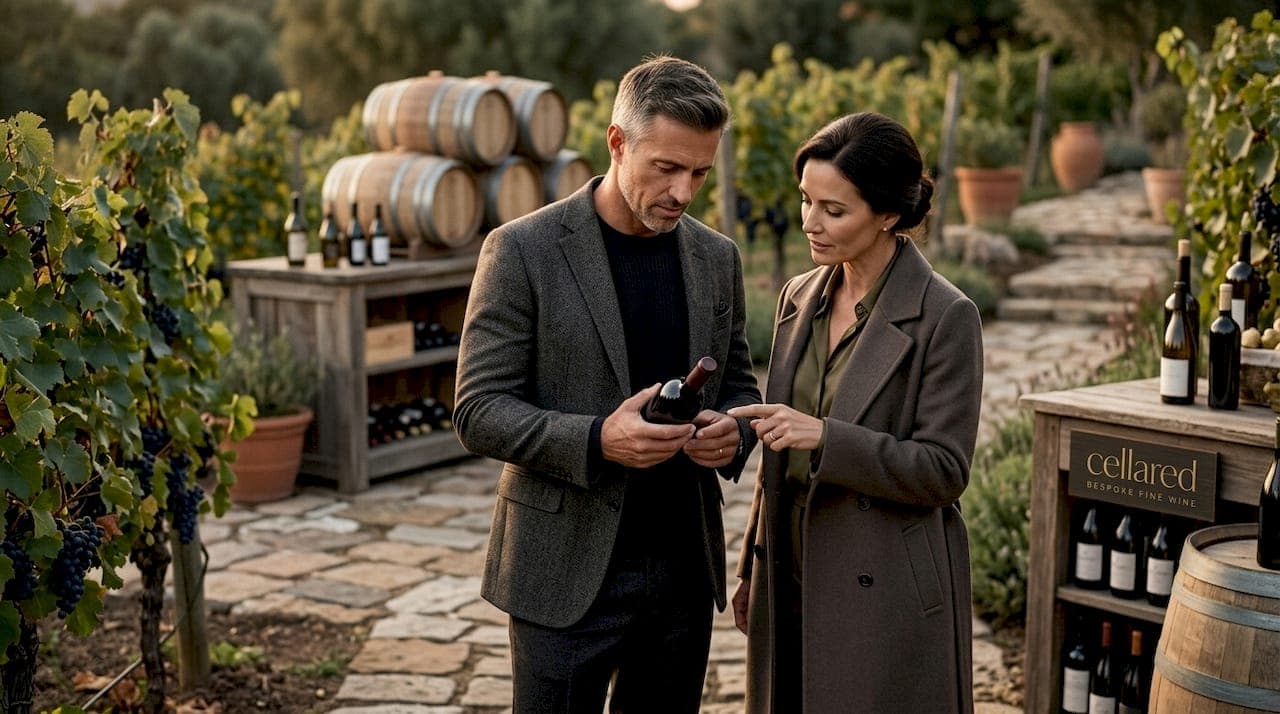
Barossa Valley wines are defined by their extraordinary concentration, vine age, and terroir, placing them among the most collectible reds produced anywhere in the world. South Australia's Barossa Valley is home to Shiraz, Grenache, and Mataro vines that have been producing fruit for well over a century, giving the region a depth of character that younger wine districts simply cannot replicate. The Barossa Old Vine Charter classifies vines by age, from Old Vines at 35 years through to Ancestor vines at 125 years and beyond. That classification is not ceremonial. It is the single most reliable indicator of rarity, concentration, and long-term collector value in the region.
1. What are the main Barossa Valley wine styles?
Barossa produces three dominant red styles, and understanding each one shapes every buying and cellaring decision you make.
Premium Shiraz is the region's flagship. These wines carry extraordinary depth, firm tannin structure, and the kind of fruit concentration that rewards a decade or more in the cellar. The 2021 Schild Estate Three Springs Barossa Shiraz achieved critical ratings of 96–97 points, with cellaring potential extending into the 2040s. That is not an outlier. It reflects what the region's best sites consistently deliver.
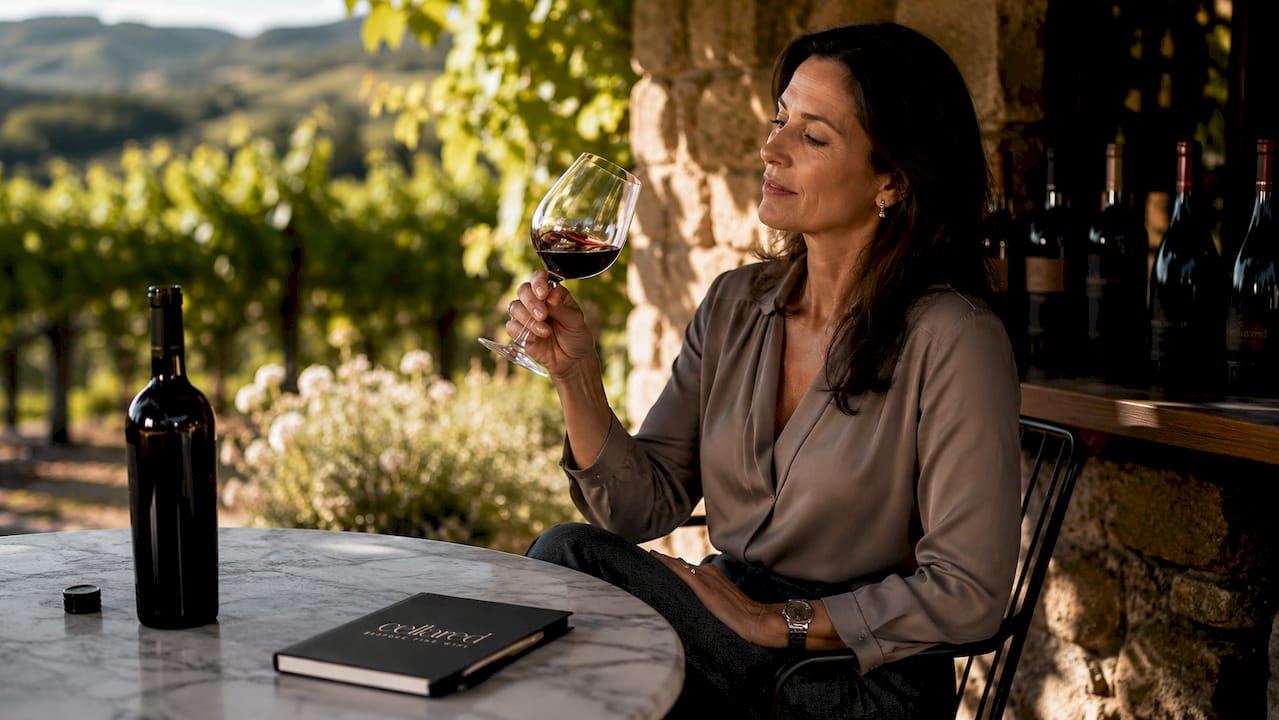
Lighter Barossa Shiraz styles represent a contrasting philosophy. Wines like the Vin de Soif Shiraz are crafted for immediate enjoyment, with a drinking window of 2–6 years and a recommended serving temperature of 16°C. These are the bottles you open on a Tuesday, not the ones you lock away for twenty years.
Grenache and Mataro blends from old vines occupy a distinct and increasingly prized category. These wines carry a savoury, earthy character that is unlike anything Shiraz produces. The 2024 vintage in Barossa delivered vibrant Grenache and Mataro wines with cellaring potential of 15 years or more, proving that these varieties deserve serious collector attention.
Pro Tip: When tasting across Barossa styles, always start with the lighter Shiraz before moving to the premium reds. Beginning with a high-tannin wine will mask the subtlety of everything that follows.
2. Which Barossa Valley vineyards and vintages do collectors prize most?
Vineyard site is the defining variable in Barossa wine quality. The Barossa Old Vine Charter provides a definitive rarity framework: Old Vines (35+ years), Survivor Vines (70+ years), Centenarian Vines (100+ years), and Ancestor Vines (125+ years). Each tier commands a premium in the market, and rightly so.
North Barossa sites like the Hundred of Belvedere vineyard demonstrate what old-vine heritage truly means. Classic red varieties have been thriving on these sites for over 100 years, producing fruit that rivals the world's most celebrated vineyards. The relationship between site, grower, and winemaker on these properties is what separates a collectible bottle from a merely good one.
Soil type further differentiates sub-regions. Red-brown clay and sandy loam over limestone produce wines with markedly different textures and ageing trajectories. North Barossa's heavier soils tend to produce fuller-bodied wines with greater cellaring potential, while the Eden Valley's altitude and cooler temperatures yield wines with more lifted aromatics and finer tannins.
| Vine classification | Minimum vine age | Collector significance |
|---|---|---|
| Old Vines | 35+ years | Reliable concentration and character |
| Survivor Vines | 70+ years | Rarity premium, strong secondary market |
| Centenarian Vines | 100+ years | Exceptional depth, limited production |
| Ancestor Vines | 125+ years | Museum-level rarity, highest collector value |
Pro Tip: Always check the label for vine age classification before purchasing. A Centenarian or Ancestor vine designation signals genuine scarcity that a vintage date alone cannot convey.
3. How do production methods shape Barossa wine style and ageing?
Winemaking technique in Barossa is not incidental. It is the bridge between extraordinary fruit and a wine that will genuinely improve over fifteen or twenty years in your cellar.
Prestige Barossa reds undergo open-top fermentation with extended skin contact averaging 14 days. Hand-plunging in small fermenters extracts tannin and flavour compounds that large-batch, mechanised fermentation cannot replicate. The result is a wine with structural depth that supports long ageing.
The choice between seasoned and new oak is equally consequential. New American oak adds vanilla and coconut characters that can overwhelm delicate fruit. Seasoned French oak, by contrast, integrates more quietly, allowing the wine's terroir to speak clearly. The finest Barossa producers treat oak as a supporting actor, not the lead.
Unfined and unfiltered bottling preserves phenolic structure and texture in boutique Barossa Shiraz. Collectors should expect sediment in these wines over time. Sediment is not a flaw. It is a natural consequence of minimal intervention and a reliable marker of authenticity.
Key production indicators to look for on a label:
- Open-top fermentation noted on back label
- "Unfined and unfiltered" declaration
- Small-batch or single-vineyard designation
- Vine age classification per the Barossa Old Vine Charter
- Extended maceration or skin contact duration
4. What are the ideal serving conditions and food pairings?
Serving temperature has a greater impact on wine character than most collectors acknowledge. A premium Barossa Shiraz served too warm tastes jammy and flat. Served at the right temperature, it opens into something genuinely complex.
Recommended serving temperatures and pairings:
- Premium Barossa Shiraz (full-bodied): 17–18°C. Pair with slow-roasted lamb, beef short ribs, aged hard cheeses, or a rich mushroom ragù.
- Lighter Barossa Shiraz styles: 16°C, with grilled poultry and tomato-based dishes as ideal companions.
- Grenache and Mataro blends: 15–16°C. These wines shine alongside charcuterie, roasted pork, and Mediterranean-style vegetables.
Decanting is non-negotiable for premium aged Barossa reds. A wine with ten or more years in the cellar benefits from at least 60 minutes of air before serving. Younger, tannin-rich Shiraz from a recent vintage can handle 90 minutes or more without losing freshness.
Pro Tip: Stand an older bottle upright for 24 hours before opening. This allows sediment to settle to the base, making decanting cleaner and the pour clearer.
5. How to select and manage Barossa wines for your cellar
The first question to ask when selecting a Barossa wine for cellaring is whether the fruit comes from classified old vines. Vine age is the most reliable proxy for concentration and longevity. A wine from Centenarian or Ancestor vines, from a strong vintage, with minimal intervention in the winery, is the closest thing to a guaranteed cellar candidate the region offers.
Provenance matters as much as the wine itself. A bottle with an unbroken chain of ownership, stored at consistent temperature and humidity, is worth meaningfully more than the same wine with an uncertain history. Always request storage records when buying from private sellers or at auction. For guidance on selecting wines for future value, the vintage year, vine age, and winemaker philosophy are the three variables that matter most.
Understanding wine maturity is equally critical. Premium Barossa Shiraz from a great vintage typically enters its drinking window between eight and twelve years after harvest. Drinking it earlier is not wrong, but you will miss the tertiary complexity that makes these wines genuinely extraordinary.
Practical cellar management steps:
- Store bottles horizontally at 12–14°C with 60–70% humidity.
- Catalogue each wine with purchase date, source, and projected drinking window.
- Check unfined and unfiltered bottles annually for sediment development.
- Rotate your cellar so older vintages are accessible without disturbing younger bottles.
- Review your collection against current market valuations every two to three years.
Key takeaways
Barossa Valley wines reward collectors who understand vine age, sub-regional terroir, and minimal-intervention winemaking as the three pillars of genuine quality and long-term value.
| Point | Details |
|---|---|
| Vine age classifications matter | The Barossa Old Vine Charter tiers from Old Vines to Ancestor Vines directly signal rarity and collector value. |
| Sub-regional terroir is decisive | Soil type and site altitude shape tannin structure and ageing potential more than producer reputation alone. |
| Production method signals quality | Open-top fermentation, extended skin contact, and unfined bottling are markers of serious, age-worthy wines. |
| Serving temperature changes everything | Premium Shiraz at 17–18°C and lighter styles at 16°C reveal character that incorrect temperatures conceal. |
| Provenance protects value | An unbroken storage history is as important as the wine itself when buying for investment or resale. |
Why Barossa still surprises me after all these years
I have tasted wines from most of the world's great regions, and Barossa still catches me off guard. Not because of its power. Power is easy to find. What surprises me is the restraint that the best producers are now showing, and how that restraint is making these wines more interesting, not less.
The old assumption was that Barossa Shiraz meant dark fruit, high alcohol, and American oak. That was true of a certain era. What I see now is a generation of winemakers who are picking earlier, using seasoned French oak, and letting the vineyard site carry the wine. The results are wines with genuine tension and complexity, wines that age differently from their predecessors and reward patience in ways that the old style rarely did.
The vineyard heritage stories are what I find most compelling for collectors. A site like the Hundred of Belvedere, where the same varieties have grown for over a century, carries a narrative that no amount of winemaking skill can manufacture. When you open a bottle from vines that old, you are drinking something that connects to a specific place and a specific history. That is not marketing language. That is what makes a wine worth collecting rather than simply consuming.
My practical advice: do not overlook Grenache and Mataro in your cellar. Collectors have focused on Shiraz for so long that old-vine Grenache blends remain underpriced relative to their quality. The 2024 vintage in particular produced Grenache and Mataro with the kind of depth and longevity that will look very different in fifteen years. Buy them now, before the market catches up.
— David
Building your Barossa collection with confidence
Collecting Barossa wines well requires more than a good palate. It requires knowing which bottles to buy, when to drink them, and how to protect their value over time.
Cellared Fine Wine offers bespoke wine buying tailored to collectors who want access to exceptional Barossa bottles, including rare old-vine examples that rarely reach the open market. The team also provides professional wine valuations for insurance, estate, and advisory purposes, as well as private cellar management to keep your collection in peak condition. If you are serious about building a Barossa collection that holds and grows its value, Cellared Fine Wine offers the expertise and personal service to help you do exactly that.
FAQ
What grape varieties define Barossa Valley red wine?
Shiraz is the dominant variety, supported by Grenache and Mataro. Old-vine examples of all three produce wines with exceptional concentration and ageing potential.
How long can premium Barossa Shiraz age in the cellar?
The finest examples, particularly those from Centenarian or Ancestor vines in strong vintages, can age for 20 years or more. The 2021 Schild Estate Three Springs Shiraz, rated 96–97 points, is projected to cellar into the 2040s.
What does "unfined and unfiltered" mean on a Barossa wine label?
It means the wine was bottled without fining agents or filtration, preserving its full phenolic structure and texture. Sediment may develop over time and is a natural sign of this minimal-intervention approach.
Where can I buy Barossa wines for my cellar?
Specialist fine wine businesses, auction houses, and direct-from-winery purchases are the most reliable sources. Always request provenance and storage records when buying older vintages.
What is the best food pairing for a full-bodied Barossa Shiraz?
Slow-roasted lamb, beef short ribs, and aged hard cheeses are the classic matches. The wine's firm tannin structure and dark fruit character hold up beautifully against rich, fatty proteins.