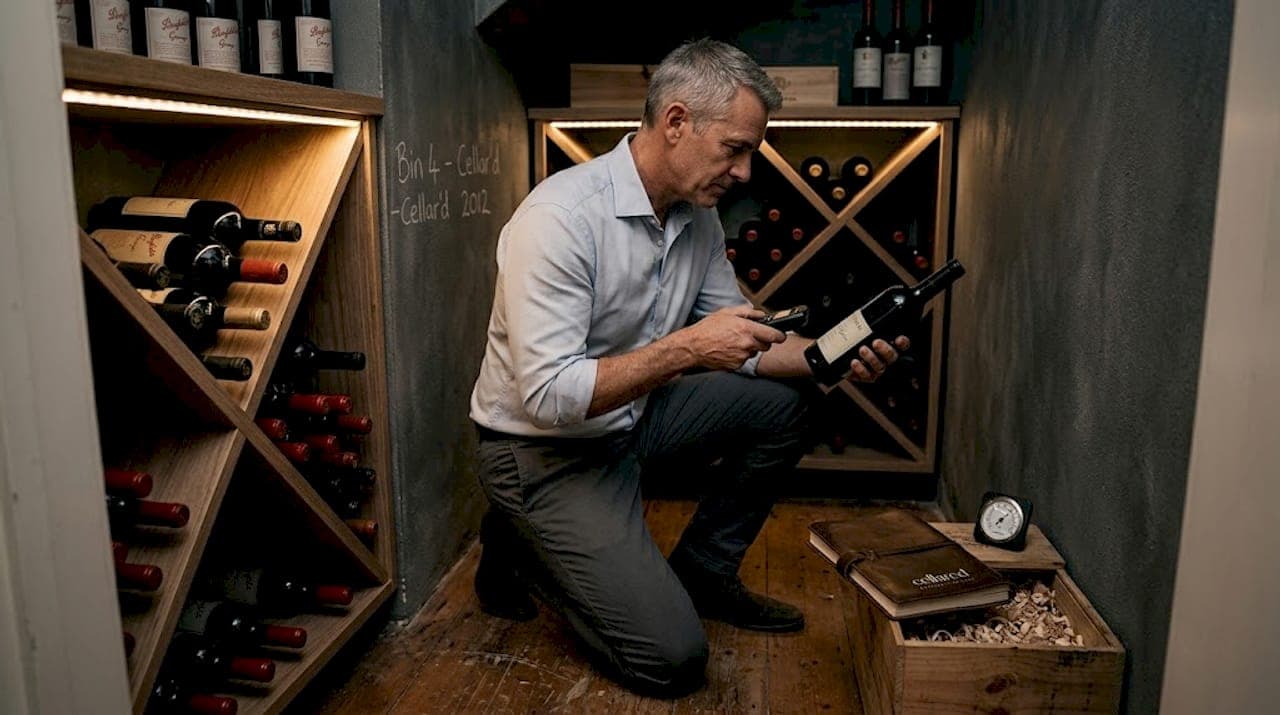
A well-organised wine cellar is one of the most quietly powerful tools a serious collector possesses. It is not merely about aesthetic order or the satisfaction of neat rows; it is about protecting capital, ensuring accessibility, and honouring the drinking windows that transform a good bottle into a transcendent one. For collectors who view their cellar as both a pleasure and an asset, the challenge lies in building a system that serves both ambitions simultaneously. As cellaring can begin small, under stairs or in a converted cupboard, the emphasis should fall squarely on organisation, not grandeur.
Table of Contents
- Preparing your cellar: Requirements and must-haves
- Step-by-step process to organise your wine cellar
- Troubleshooting and common mistakes
- Verifying cellar organisation and maximising ongoing value
- Why balancing pleasure and investment is key in wine cellar organisation
- Enhance your collection with professional cellar management
- Frequently asked questions
Key Takeaways
| Point | Details |
|---|---|
| Start small | You can begin cellaring in modest spaces, focusing on storage requirements over size. |
| Balance asset and pleasure | Organising your cellar for both investment value and drinking enjoyment maximises benefits. |
| Routine verification | Regularly reviewing your inventory and cellar conditions ensures your wine remains valuable and accessible. |
| Avoid over-engineering | Simple, flexible storage is better than waiting for a ‘perfect’ setup that may never arrive. |
Preparing your cellar: Requirements and must-haves
Before arranging a single bottle, it pays to understand what your cellar must provide. Think of it as laying the architectural foundation before placing the first stone. Without these fundamentals in place, even the most meticulous sorting system will fail to protect the investment you have carefully accumulated.
The physical requirements for a well-functioning cellar are non-negotiable. Temperature must remain stable, ideally between 12°C and 14°C, with minimal fluctuation across seasons. Humidity should sit comfortably between 60% and 70% to prevent corks from drying out and labels from deteriorating. Natural light must be excluded, as ultraviolet exposure degrades tannins and strips complexity from delicate wines. Vibration, too, is a silent enemy, disturbing the slow, graceful processes occurring inside each bottle.
Core cellar requirements at a glance:
- Stable temperature: 12°C to 14°C
- Relative humidity: 60% to 70%
- Darkness: no UV or fluorescent light exposure
- Minimal vibration: away from appliances, heavy foot traffic, and mechanical systems
- Adequate ventilation: fresh air circulation without draughts
- Security: locked access for high-value collections
Beyond environment, you will need to consider your physical infrastructure. Wine racks range from simple timber diamond bins to modular metal systems and bespoke joinery. Each has its strengths. Diamond bins accommodate mixed bottle sizes and allow for bulk storage of a single wine, while individual bottle racks provide superior retrieval access. For collections mixing investment parcels with everyday drinking, a layered combination of both is often ideal.
Tracking systems matter as much as shelving. A simple spreadsheet suffices at entry level, but as your collection grows, dedicated cellar management software provides a depth of information that transforms decision-making. The good news, as outlined across private wine cellar essentials, is that a thoughtfully organised cellar serves both the pleasure-first and asset-first collector equally well.
| Cellar element | Minimum requirement | Ideal standard |
|---|---|---|
| Temperature | 10°C to 16°C stable | 12°C to 14°C with ±1°C variance |
| Humidity | 55% to 75% | 60% to 70% |
| Racking | Timber or metal modular | Bespoke or mixed system |
| Tracking | Handwritten log | Dedicated cellar software |
| Security | Lockable door | Alarmed, climate-monitored |
Pro Tip: Begin with flexible, modular racking rather than fixed bespoke joinery. As your collection evolves in style, volume, and format, flexible infrastructure allows you to adapt without costly renovation.
Step-by-step process to organise your wine cellar
With your requirements sorted, it is time to execute the ideal cellar organisation system. Organisation is not a single event; it is a living practice, responsive to acquisitions, ageing curves, and shifting drinking plans. Approaching it with the same rigour you would apply to any serious investment portfolio yields extraordinary dividends over time.
Step 1: Conduct a full inventory. Before anything can be arranged, you must know precisely what you own. Record every bottle, including producer, appellation, vintage, quantity, purchase price, and estimated drinking window. This process, however time-consuming, is the single most clarifying act a collector can perform. It reveals gaps, over-allocations, and opportunities.
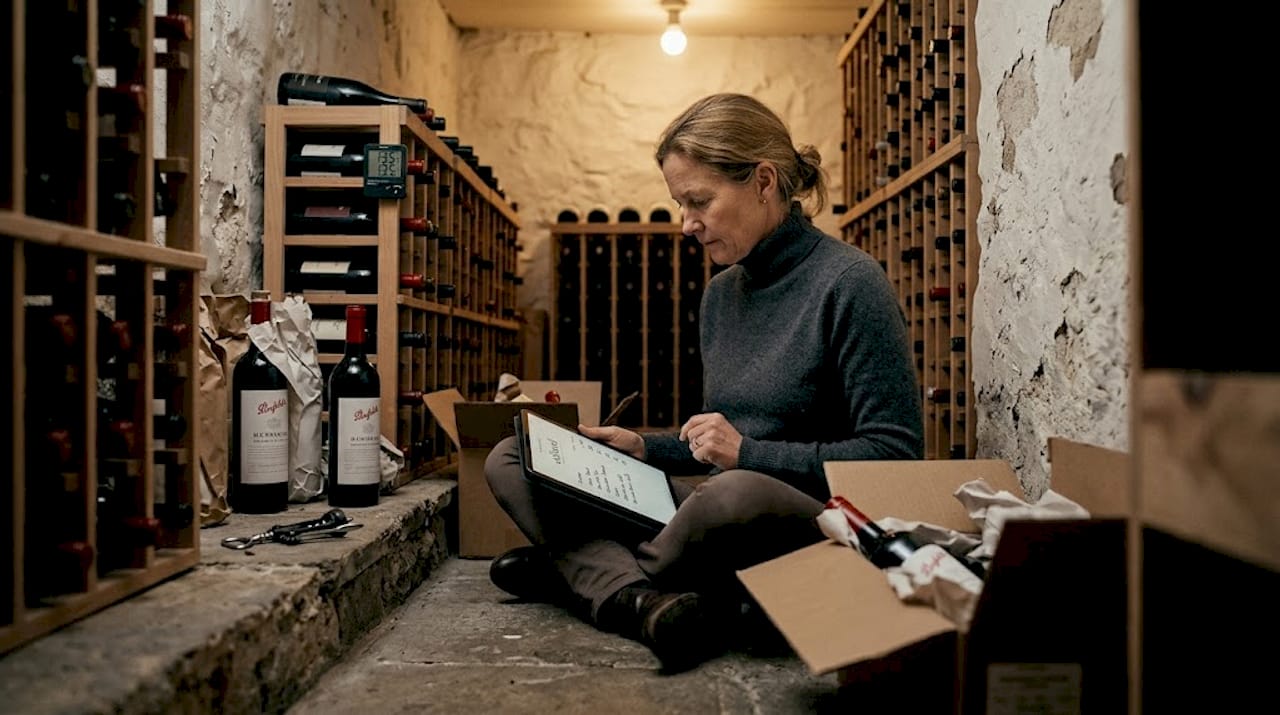
Step 2: Categorise by primary drinking intent. Divide your collection into two broad camps: wines held for investment or extended ageing, and wines intended for near-term drinking. This binary distinction shapes every subsequent decision about placement and accessibility.
Step 3: Sort within each category. Within your investment holdings, organise by region, then producer, then vintage. This mirrors how the market assesses and values fine wine, making future appraisals and sales more straightforward. Within your drinking wines, sort by anticipated consumption timeline, placing the most imminent bottles at the front of their zones.
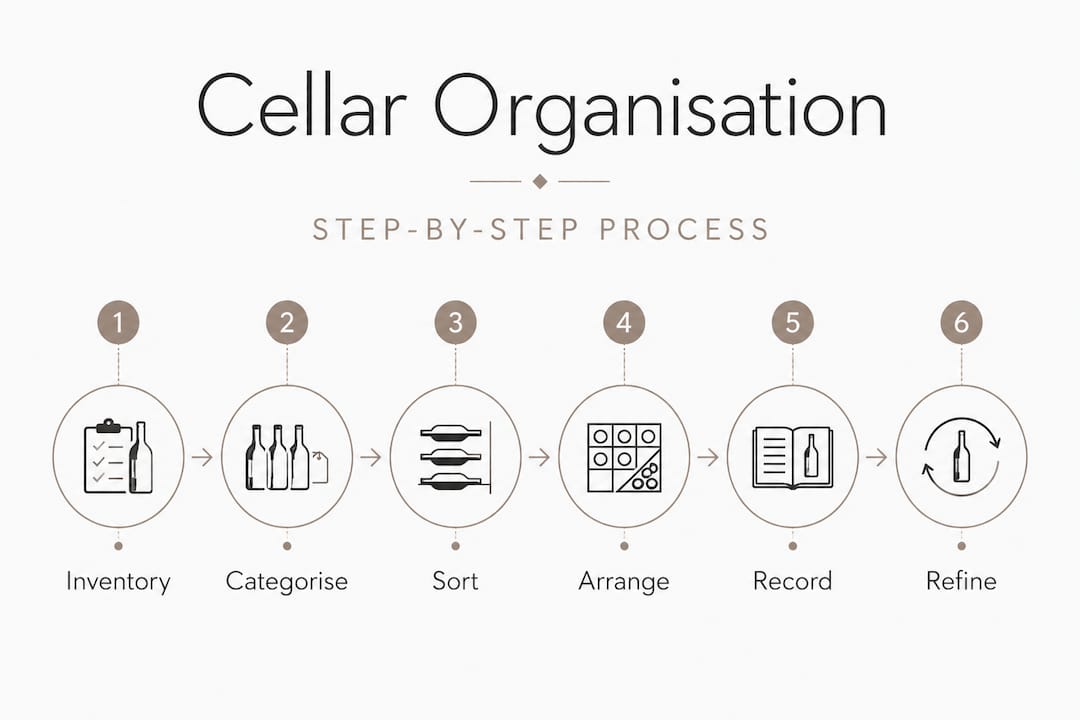
Step 4: Arrange physically for accessibility. Wines due for drinking within twelve months should occupy prime real estate, meaning easily accessible racks at eye level or in clearly labelled bins. Long-term cellaring stock can occupy deeper, harder-to-reach positions. This physical hierarchy rewards patience and discourages impulse decisions on wines that need more time.
Step 5: Establish record-keeping protocols. Every acquisition, disposal, and tasting note should be logged. Management tips for collectors consistently reinforce that robust records are the foundation of both value protection and drinking pleasure.
Step 6: Review and refine regularly. Cellaring is dynamic. Drinking windows shift, new acquisitions arrive, and market values fluctuate. A static system becomes obsolete quickly. Schedule quarterly reviews to reassess placement and drinking plans.
As cellaring can begin small and scale according to your drinking plans, the system you build at fifty bottles should be capable of expanding to five hundred without fundamental redesign.
Comparison of organisation methods:
| Method | Best for investment value | Best for drinking pleasure |
|---|---|---|
| By region and producer | ✓ Excellent | ✓ Good |
| By vintage | ✓ Excellent | Moderate |
| By drinking window | Moderate | ✓ Excellent |
| By acquisition price | ✓ Good for appraisals | Limited |
| Mixed (layered system) | ✓ Excellent | ✓ Excellent |
The layered system, which overlays region and producer sorting with drinking window markers, is the approach we recommend most strongly. It supports curation strategies for wine collections that serve both the market-focused investor and the passionate connoisseur.
Pro Tip: Cellar management software such as CellarTracker or Vivino Pro allows you to track not just inventory but current market values and critical drinking windows. For collections exceeding one hundred bottles, this technology pays for itself in a single well-timed sale or perfectly chosen evening pour.
Troubleshooting and common mistakes
As you work through the steps, certain mistakes can undo all your effort. They appear with surprising consistency across collections of every scale, from modest personal cellars to impressive private vaults. Recognising them early is far less painful than addressing them after damage is done.
The most common cellar organisation mistakes:
- Over-engineering the structure before building the inventory. Installing elaborate racking systems before you understand your collection's true composition leads to mismatched storage that frustrates rather than serves.
- Ignoring environmental controls. A beautifully organised cellar at the wrong temperature or humidity is merely an organised storage problem. Environmental stability is foundational, not optional.
- Inconsistent or incomplete record keeping. A collection without proper records has no provenance trail, which directly reduces its realisable market value and complicates insurance valuations.
- Conflating investment stock with drinking stock. Mixing these two categories without clear physical separation leads to the premature consumption of wines intended for long-term appreciation, and the unhappy neglect of bottles approaching their peak.
- Waiting for the perfect setup before starting. This is perhaps the most costly error of all. Perfect conditions rarely arrive on a schedule; meanwhile, wines age without guidance or tracking.
"The best cellar is not the grandest, but the best organised. Start with what you have, track what you own, and drink with intention." This spirit, reinforced by the principle that organisation supports enjoyment, underpins everything we advise at Cellared.
For collectors who are simultaneously building a fine wine portfolio, the consequences of poor cellar organisation extend beyond inconvenience. An unverified or poorly stored collection commands lower prices at auction, attracts sceptical buyers, and may not meet the evidentiary standards required for insurance or probate valuations.
Temperature spikes, even brief ones, can accelerate ageing unpredictably. A single summer where cooling fails and temperatures reach 25°C can add five or more years of apparent age to delicate wines. This is not merely a theoretical risk; it is a scenario that significantly diminishes both quality and market value.
Verifying cellar organisation and maximising ongoing value
Once your cellar is organised and common mistakes addressed, it is critical to keep your system working for you over the long term. Organisation is not a destination; it is a discipline, one that rewards those who maintain it with superior outcomes in both the cellar and the marketplace.
Ongoing cellar maintenance checklist:
- Review inventory quarterly, updating any changes in drinking status or market value
- Check and calibrate temperature and humidity monitoring devices every six months
- Inspect racking for structural integrity and bottle positioning annually
- Audit labels and capsules for signs of humidity damage or pest intrusion
- Cross-reference drinking windows against current critical scores and auction results
- Update insurance valuations to reflect current market conditions
The financial implications of consistent maintenance are meaningful. Proper tracking and provenance documentation can increase wine value by enhancing buyer confidence and reducing the risk discount applied to collections with unclear storage histories. A documented, well-maintained collection narrates its own story of care and intention, which is extraordinarily persuasive at auction or in a private sale.
Adapting your organisation as the collection grows is equally important. A system designed for two hundred bottles will strain at five hundred unless you build in the capacity to evolve. This might mean transitioning from modular racking to bespoke joinery, upgrading tracking software, or engaging professional cellar management to oversee the increasingly complex demands of a maturing collection.
Statistic callout: Industry professionals consistently note that collections accompanied by detailed provenance records and environmental logs achieve meaningfully stronger results at auction, with some estimates suggesting premiums of up to 20% over comparable bottles without documentation. The investment of time in record keeping is not a bureaucratic burden; it is value creation.
Why balancing pleasure and investment is key in wine cellar organisation
Most guides addressing wine cellar organisation focus narrowly on asset protection: temperature logs, rack specifications, insurance schedules. These are necessary, but they miss the deeper truth that the finest collectors understand intuitively. Wine exists to be enjoyed. A cellar that serves only as a vault, where bottles are catalogued but never uncorked, has lost its essential humanity.
The most successful cellaring philosophies we encounter, across decades of working with private clients and serious collectors, are those that treat pleasure and investment as complementary rather than competing goals. Pleasure and asset goals coexist most beautifully when the organisation system is designed to support both simultaneously. This is not a compromise; it is a sophistication.
Consider the collector who sorts meticulously by region and vintage for investment purposes, but also maintains a curated "drinking rotation" of twelve to twenty-four bottles at peak accessibility. This rotation is refreshed as wines are consumed and restocked from the longer-term holdings. The result is a cellar that performs financially while also delivering genuine, regular pleasure. The two ambitions amplify each other.
Starting small, as we encourage without reservation, is not a concession to limited means. It is an invitation to build good habits from the outset, habits that scale elegantly as the collection grows. A collector who begins with thirty bottles and treats them with meticulous organisation will manage three hundred and three thousand with the same clarity and confidence.
The conventional wisdom that a serious cellar demands a grand, purpose-built space is, frankly, outdated. It serves the interests of architects and contractors more than collectors. What a cellar truly demands is discipline, intention, and a system that honours both the wines and the person who will eventually drink them.
Pro Tip: When building your drinking plan, include a "celebration tier," bottles reserved for life's meaningful moments. This ensures that organisation serves not just financial logic but the richer purpose of wine itself: to mark, to commemorate, and to share.
Explore enjoyment-focused cellar management tips to see how this balance can be practically implemented across collections of all scales.
Enhance your collection with professional cellar management
If the strategies outlined here resonate but the execution feels daunting given the scale or complexity of your collection, professional support offers a compelling and efficient solution.

At Cellared Fine Wine, we provide bespoke wine cellar management services designed specifically for serious collectors and investors. Our team brings deep market knowledge and a genuinely personal approach to every engagement, whether you require a full cellar audit and reorganisation, independent valuations for insurance or probate, or ongoing management that keeps your collection performing at its finest. We help you buy well, value accurately, and manage with the confidence that comes from working with specialists who understand both the wine and the market it inhabits.
Frequently asked questions
What is the ideal temperature and humidity for a wine cellar?
Aim for a stable temperature of 12°C to 14°C and relative humidity between 60% and 70% to preserve both wine quality and long-term value. Consistency matters more than precision; fluctuations cause more damage than a slightly elevated average.
How should I organise wines for both investment and enjoyment?
Sort by region, producer, and vintage to align with market conventions, then overlay drinking windows and accessibility tiers so your finest ready-to-drink bottles are always within easy reach. This layered approach supports both informed sales and spontaneous, pleasurable drinking.
Can I start a cellar without a dedicated wine room?
Absolutely. Small spaces, including under-stair cupboards, temperature-controlled wardrobes, and basement corners, work exceptionally well when environmental requirements are met. Meeting storage requirements matters far more than the grandeur of the space itself.
What are common mistakes in wine cellar organisation?
Over-engineering the physical setup before completing a thorough inventory, neglecting environmental controls, and maintaining inconsistent or incomplete records are the three errors that most frequently undermine collection value and accessibility. Addressing these early protects both your investment and your drinking pleasure.