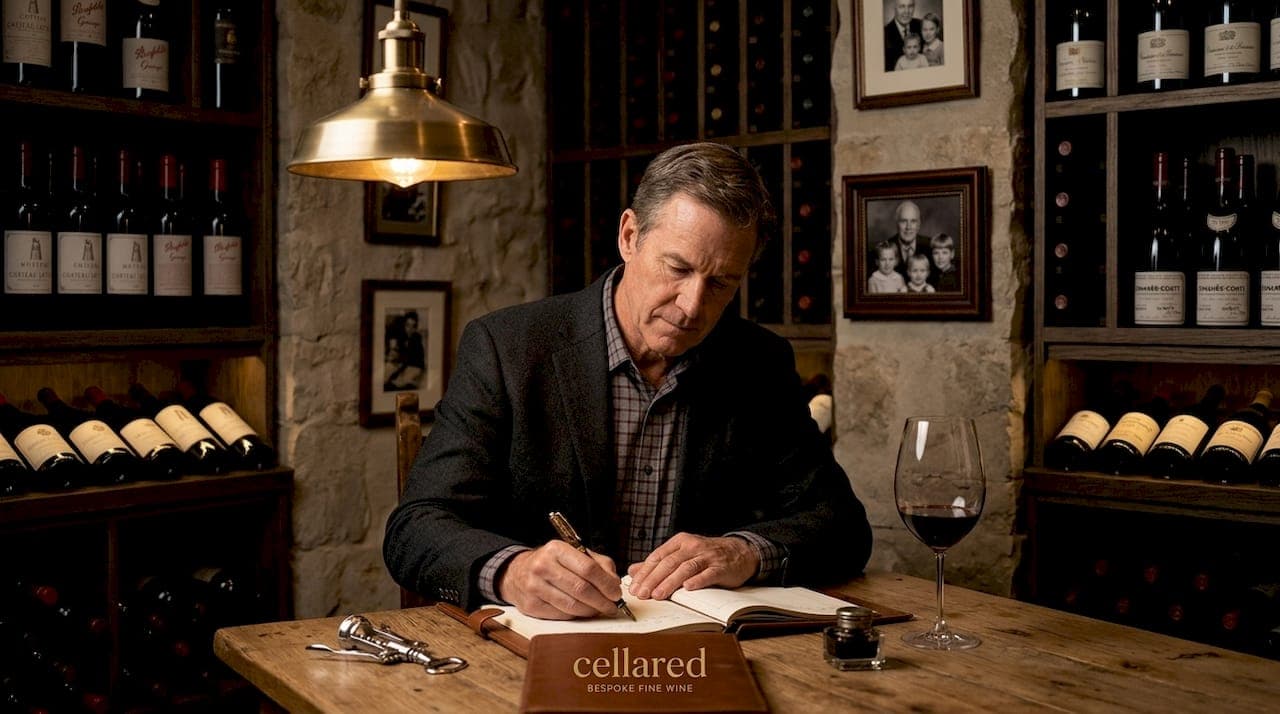
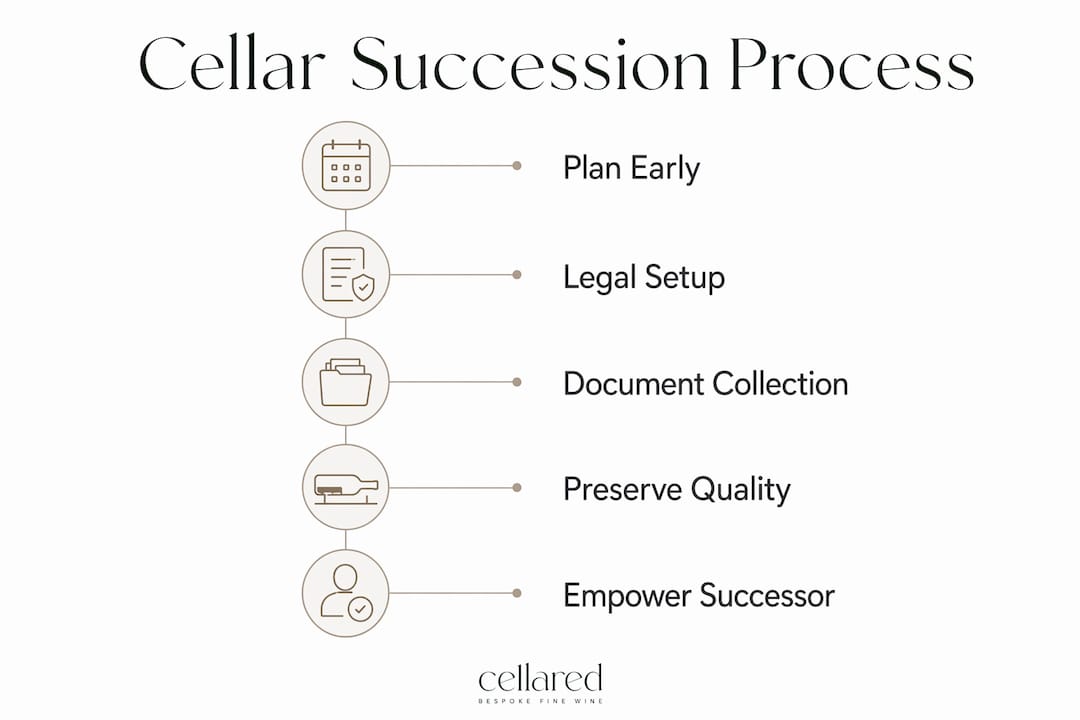
Cellar succession is defined as the planned transfer of ownership, management, and stewardship of a wine collection from one custodian to the next, preserving both financial value and the integrity of the wines themselves. For Australian and APAC collectors, knowing how to manage cellar succession is not a peripheral concern. It sits at the intersection of estate law, climate science, and family governance, and getting it wrong can cost far more than the bottles themselves. The risks without a structured plan are real: value erosion, storage neglect, family disputes, and forced sales at unfavourable prices. The collectors who protect their legacies treat succession as an evolving process, not a single legal event.
What legal and financial structures support effective cellar succession?
The legal architecture of cellar succession determines whether ownership transfers cleanly or collapses into dispute. A Will alone is rarely sufficient. Wills often miss business continuity needs, and a wine collection of meaningful scale functions more like a business asset than a household item. Trusts, operating agreements, and buy-sell arrangements must work in concert with your Will to create a structure that holds under pressure.
The most effective legal frameworks for cellar succession typically include:
- A testamentary or discretionary trust that holds the collection and names an Appointor with clear authority to direct the trustee. This protects the collection from direct exposure to a beneficiary's personal creditors or relationship breakdowns.
- A buy-sell agreement funded by life insurance, which provides liquidity for co-owners or business partners to purchase a deceased collector's share without forcing a rushed sale. Buy-sell agreements prevent the kind of liquidation that destroys value and relationships simultaneously.
- Documented decision rights, specifying who can authorise storage moves, broker engagements, insurance renewals, and appraisals. Without this, executors face delays waiting for court orders while the cellar sits unmanaged.
- Dispute resolution mechanisms written into the trust deed or partnership agreement, including mediation clauses and buy-out formulas, so that disagreements between beneficiaries do not require litigation.
Under Australian estate law, executors and trustees derive their authority from the documents themselves, not from informal family understanding. Wrong legal approaches to succession can cost families hundreds of thousands of dollars and cause damaging disputes that outlast the estate settlement. Engaging a specialist in wills and inheritance law, such as the team at Simons George Legal, to review how your trust and Will interact is a prudent step for any collector with a cellar of significant value.
Pro Tip: Name a successor with explicit authority in your executor and trust documents to contact brokers, relocate stock, and maintain storage conditions from day one of estate administration. Waiting for court confirmation can take months, during which your cellar is vulnerable.
How to preserve wine quality and cellar conditions during transition?
The physical integrity of a wine collection is as fragile as its legal title during a succession event. Ownership transitions create periods of reduced attention, and it is precisely during these periods that climate control failures occur. Temperature shifts of 5 to 10°C can irreparably damage wine conditions, accelerating oxidation, drying corks, and destroying labels. This is not a theoretical risk. It is the most common form of value loss during estate administration.
The ideal storage parameters for a fine wine cellar are well established:
- Temperature: Maintain between 12 and 14°C consistently. Fluctuations above this range accelerate chemical ageing; below it, wines develop too slowly and risk freezing in extreme cases.
- Humidity: Hold between 65 and 75%. Too dry and corks shrink, allowing oxygen ingress. Too humid and labels deteriorate, reducing resale value and provenance clarity.
- Vibration and light: Minimise both. Vibration disturbs sediment and disrupts the slow chemical processes that define a wine's ageing potential. UV light degrades phenolic compounds and colour.
- Monitoring systems: Install automated sensors with alert protocols that notify a nominated contact when parameters drift outside acceptable thresholds. This is not optional for a collection of investment grade.
- Documented infrastructure: Prepare a written cellar operations manual for your successor, covering equipment specifications, service contacts, emergency procedures, and the location of every circuit breaker and valve.
Formal monitoring with clear thresholds and alert processes is the single most practical safeguard against deterioration during handover. A successor who inherits a cellar without operational documentation is effectively flying blind, and the wines pay the price. Cellared Fine Wine's private cellar management guidance covers these parameters in detail for collectors at every level.
What are best practices for documenting your collection for succession?
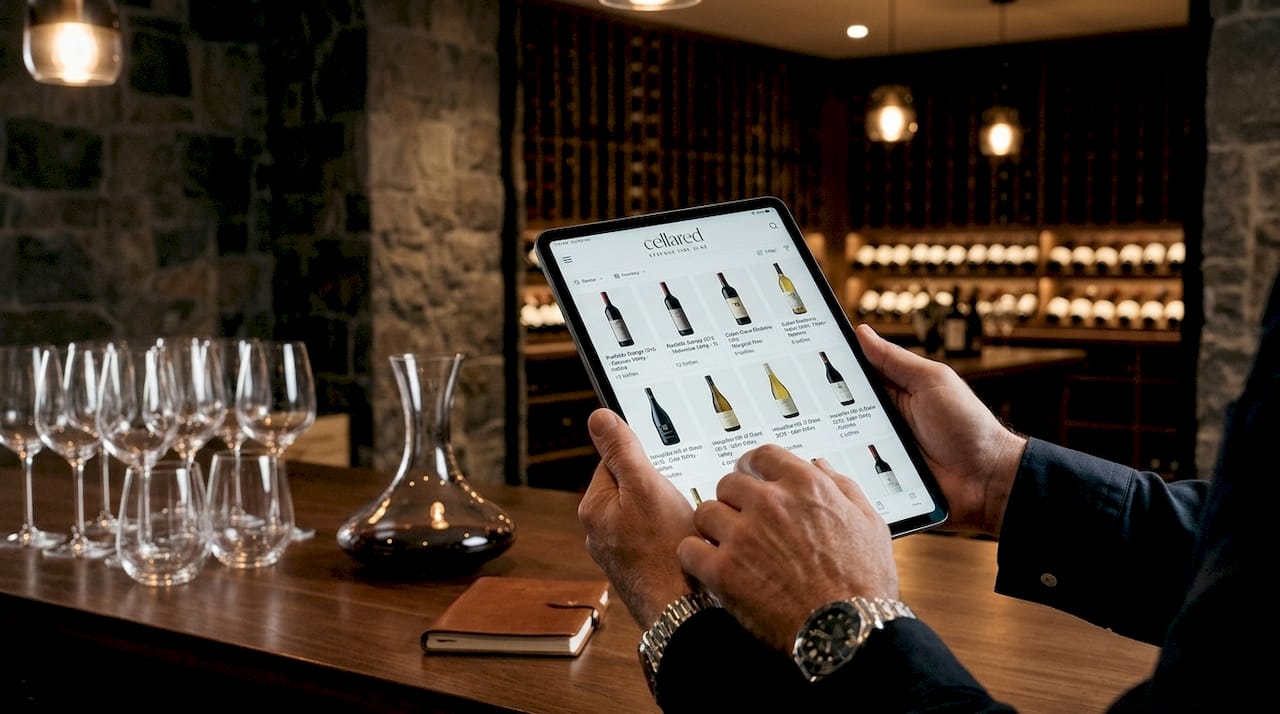
A wine collection without structured documentation is an asset without a voice. During succession, an audit-ready inventory with provenance, condition, and rack location data supports valuation, insurance claims, and financing decisions. It also gives executors and beneficiaries a shared factual basis, which reduces the scope for disagreement.
| Documentation element | Why it matters for succession |
|---|---|
| Purchase history and provenance | Establishes authenticity and supports insurance and probate valuations |
| Current market valuation | Provides a fair basis for distribution between beneficiaries |
| Rack and bin locations | Allows physical management without specialist knowledge |
| Condition notes and tasting records | Informs decisions about which bottles to hold, sell, or consume |
| Storage infrastructure details | Enables successors to maintain conditions without guesswork |
The most effective cellar inventories are maintained digitally, updated at least annually, and shared with your executor and a trusted adviser. Platforms that centralise cellar data allow multiple parties to access records without physical access to the cellar itself, which is particularly useful during estate administration when the property may be subject to legal restrictions.
Professional valuations from an independent specialist add a further layer of credibility. Structured wine inventories with complete provenance and condition data add negotiating leverage with financiers and insurers during estate administration. For collectors who hold wines across multiple locations, including bonded warehouses and third-party storage, a single consolidated inventory is not merely convenient. It is the foundation of any credible succession plan. Cellared Fine Wine's guidance on organising your cellar for value offers a practical framework for building this kind of audit-ready record.
How to manage family dynamics and empower successors in cellar succession?
The technical and legal dimensions of cellar succession are, in many ways, the simpler half of the challenge. Family dynamics introduce a layer of complexity that no trust deed can fully anticipate. Succession planning should combine technical steps with human governance, setting clear decision rights, compensation roles, and dispute resolution processes to reduce family conflicts. The collectors who navigate this well do so by treating succession as a structured conversation, not a surprise announcement.
Effective successor empowerment rests on several principles:
- Identify the right successor early. Not every family member who loves wine is equipped to manage a collection as a financial asset. The right successor combines genuine interest with the discipline to maintain records, monitor conditions, and make considered decisions about when to sell.
- Transfer responsibilities gradually. Effective succession typically unfolds over five to ten years, with the successor taking on progressively greater operational authority. This allows knowledge transfer to occur naturally and gives the collector confidence in the outcome.
- Define compensation and decision-making authority explicitly. If a successor is expected to manage the cellar actively, they should be compensated for that work. Ambiguity about roles breeds resentment.
- Involve a neutral facilitator when needed. Family mediators or specialist advisers can structure conversations that would otherwise become entrenched disputes. This is particularly valuable in blended families or where multiple beneficiaries have competing interests.
- Build contingency plans. What happens if the nominated successor predeceases the collector? What if the cellar needs to be liquidated quickly? Documenting these scenarios in advance prevents paralysis at the worst possible moment.
Pro Tip: Consider holding an annual "cellar review" with your nominated successor while you are still active. Walking through the collection together builds tacit knowledge that no document can fully replace, and it creates a natural forum for updating your succession intentions.
Key takeaways
Cellar succession requires legal structures, physical preservation, meticulous documentation, and deliberate family governance to protect both the financial and emotional value of a wine collection.
| Point | Details |
|---|---|
| Legal structures are non-negotiable | Wills alone are insufficient; trusts, buy-sell agreements, and documented decision rights are required. |
| Climate control cannot lapse | Temperature and humidity must be actively monitored during transition to prevent irreversible wine damage. |
| Documentation underpins everything | Audit-ready inventories with provenance and condition data support valuation, insurance, and fair distribution. |
| Successors need explicit authority | Executor and trust documents must grant immediate operational authority to avoid costly delays. |
| Family governance prevents disputes | Gradual responsibility transfer, defined roles, and contingency plans reduce conflict and protect relationships. |
A considered view on cellar succession and lasting legacy
The collectors I work with who plan succession well share one quality: they start earlier than feels necessary. By the time a succession event feels urgent, the window for thoughtful planning has often narrowed considerably. The decisions made under pressure, whether about legal structures, storage arrangements, or family roles, are rarely the best ones.
What I have observed consistently is that under-documentation is the most common and most costly mistake. Collectors who have spent decades building exceptional cellars, acquiring first-growth Bordeaux, aged Burgundy, and rare Australian icons from producers like Penfolds and Henschke, often leave behind no more than a handwritten list and a set of keys. The successor inherits the bottles but not the knowledge, and the collection loses coherence within a generation.
The second mistake is treating succession as a legal exercise rather than a human one. A perfectly drafted trust deed means little if the nominated successor has never been involved in the cellar's management and has no idea what the collection represents. Authority without knowledge is a fragile inheritance.
The third, and perhaps most overlooked, mistake is neglecting the physical cellar during the transition period. I have seen collections worth hundreds of thousands of dollars suffer avoidable deterioration simply because no one thought to check the temperature controller during a property settlement. The wines do not wait for the paperwork to resolve.
Cellar succession is best understood as an evolving stewardship, not a single transfer. The collector who approaches it with the same patience and attention they bring to selecting a great wine will leave a legacy that endures.
— David
How Cellared Fine Wine supports your succession planning
Cellared Fine Wine offers specialist cellar management and succession support for collectors and investors across Australia and the APAC region. From court-ready valuations for probate and estate administration to bespoke cellar management that maintains optimal storage conditions through every stage of transition, Cellared brings deep market knowledge and a highly personal service to every engagement. Whether you need an independent professional wine valuation for insurance or estate purposes, or a structured inventory that gives your successors clarity and confidence, Cellared provides the expertise to protect what you have built. Speak with the team at Cellared Fine Wine to begin planning your cellar's future with the care it deserves.
FAQ
What is cellar succession and why does it matter?
Cellar succession is the planned transfer of ownership and management of a wine collection to a nominated successor, covering legal, operational, and preservation considerations. Without a structured plan, collections face value loss, storage neglect, and family disputes during estate administration.
How long does cellar succession planning take?
Effective succession planning typically unfolds over five to ten years, involving gradual transfer of responsibilities, legal structure establishment, and ongoing documentation updates. Starting early allows for knowledge transfer and reduces the risk of rushed decisions.
What legal documents are needed for cellar succession in Australia?
A Will coordinated with a trust deed, buy-sell agreement, and documented decision rights provides the most complete legal framework for cellar succession. Engaging a specialist in wills and estate law to review how these documents interact is strongly advised for collections of significant value.
How do I protect wine quality during a succession transition?
Maintain cellar temperature between 12 and 14°C and humidity between 65 and 75%, and install automated monitoring systems with alert protocols. Prepare a written cellar operations manual so your successor can maintain conditions without specialist knowledge from the first day of their stewardship.
Why is a professional wine valuation important for succession?
A professional valuation provides an independent, market-led basis for distributing the collection between beneficiaries, satisfying insurance requirements, and supporting probate administration. Structured inventories with provenance data also add negotiating leverage with financiers and insurers during estate settlement.