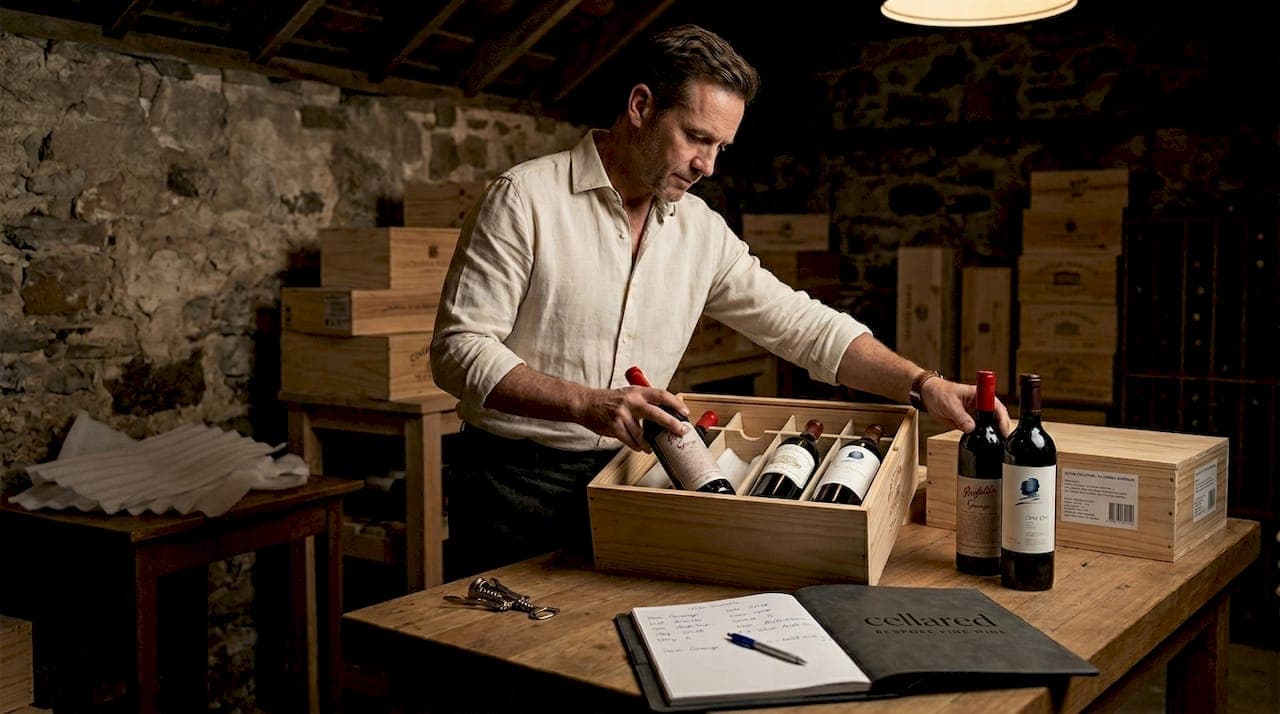
Moving a fine wine collection is one of the most consequential logistical challenges a collector will face. Unlike furniture or art, wine is biologically alive, exquisitely sensitive to temperature shifts, vibration, humidity fluctuations, and light. A well-executed wine storage relocation guide accounts for all of these variables, because the cost of getting it wrong is not a scratch or a dent. It is a bottle of 1996 Penfolds Grange rendered flat, oxidised, or worse, undrinkable. This guide walks you through every phase of the process, from pre-move preparation to post-relocation stabilisation, with the precision your collection deserves.
Key takeaways
| Point | Details |
|---|---|
| Inventory before anything else | Document every bottle with photos and a spreadsheet before a single box is packed. |
| Packing material matters | Specialised wine boxes with individual dividers reduce bottle movement far better than generic moving cartons. |
| Climate control is non-negotiable | Maintain approximately 13°C and 60–70% humidity throughout transit to protect corks and flavour. |
| Bottle shock is real but temporary | Rest wines for 7 to 14 days after arrival before opening, longer for older vintages. |
| Standard insurance is inadequate | Specialised full-value protection is required for collections of meaningful financial worth. |
Your wine storage relocation guide starts with preparation
Before a single bottle leaves the rack, the groundwork must be impeccable. Professional cellar relocation, as the industry terms the formal practice of moving a wine collection, is as much about documentation and preparation as it is about transport logistics. Collectors who skip this phase are the ones who discover a cracked bottle, a disputed insurance claim, or a misfiled vintage three months after the move.
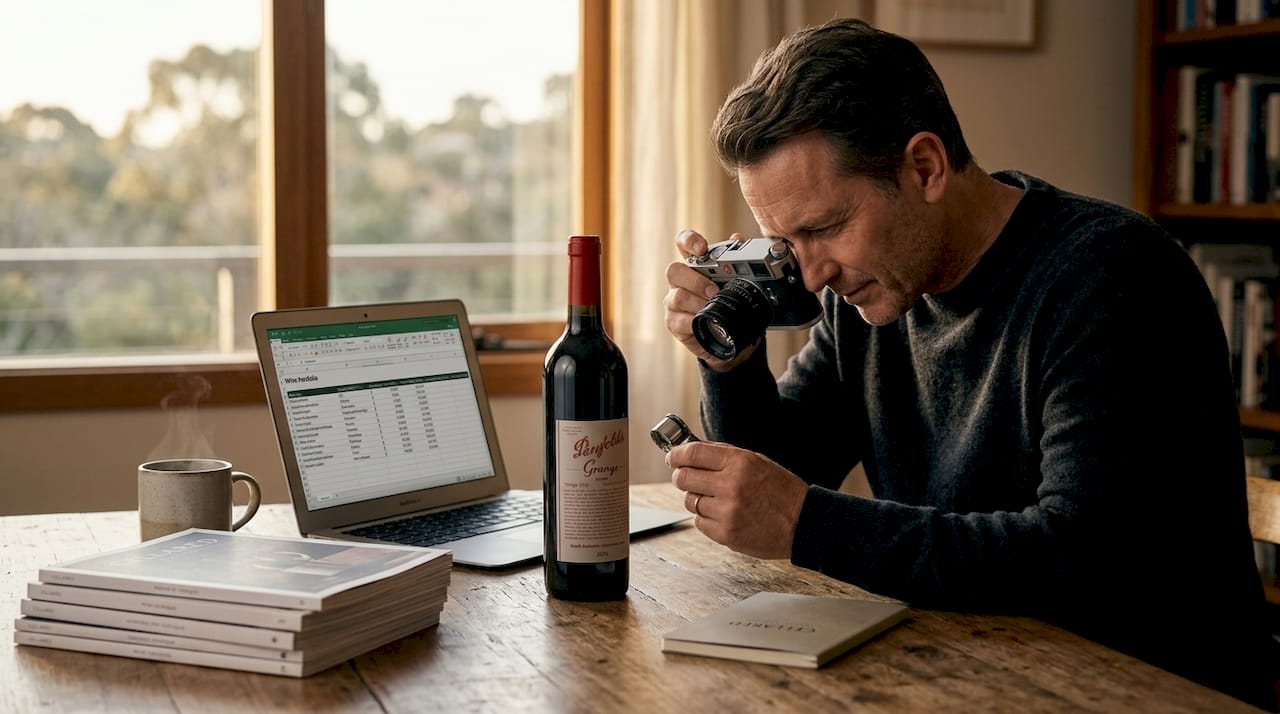
Create a detailed inventory at the bottle level before packing begins. This means recording producer, vintage, appellation, quantity, purchase price, and current estimated value for every wine in your cellar. Photograph the labels, the capsules, and the fill levels. Apps such as Vivino or CellarTracker allow you to build a searchable digital record quickly, and that record becomes indispensable if you need to lodge an insurance claim after transit.
The packing materials you choose will determine a great deal. The table below compares the most common options:
| Packing material | Protective benefit | Best used for |
|---|---|---|
| Specialised wine boxes with individual slots | Prevents bottle-to-bottle contact and movement | All collections, especially aged bottles |
| Bubble wrap (multiple layers) | Cushions individual bottles from impact | Wrapping individual bottles before boxing |
| Foam wine shippers | Excellent thermal insulation and padding | Short moves or premium single bottles |
| Standard cardboard boxes with dividers | Moderate protection, widely available | Short, low-vibration moves only |
| Styrofoam wine carriers | Good insulation, rigid structure | Climate-sensitive bottles in warm conditions |
The packing environment matters as well. Ideal wine storage temperature sits at approximately 13°C, and you should aim to pack in conditions as close to that as your cellar or storage area allows. Exposing bottles to a warm garage during packing, even briefly, introduces unnecessary thermal stress before transit has even begun.
Labelling each box on the outside with its contents, orientation, and handling instructions is not bureaucratic overkill. It is the difference between a careful removalist and a disaster.
Pro Tip: Photograph the exterior of every packed box before it is loaded. If a box arrives damaged, you have timestamped evidence of its condition at departure, which is invaluable for insurance and accountability.
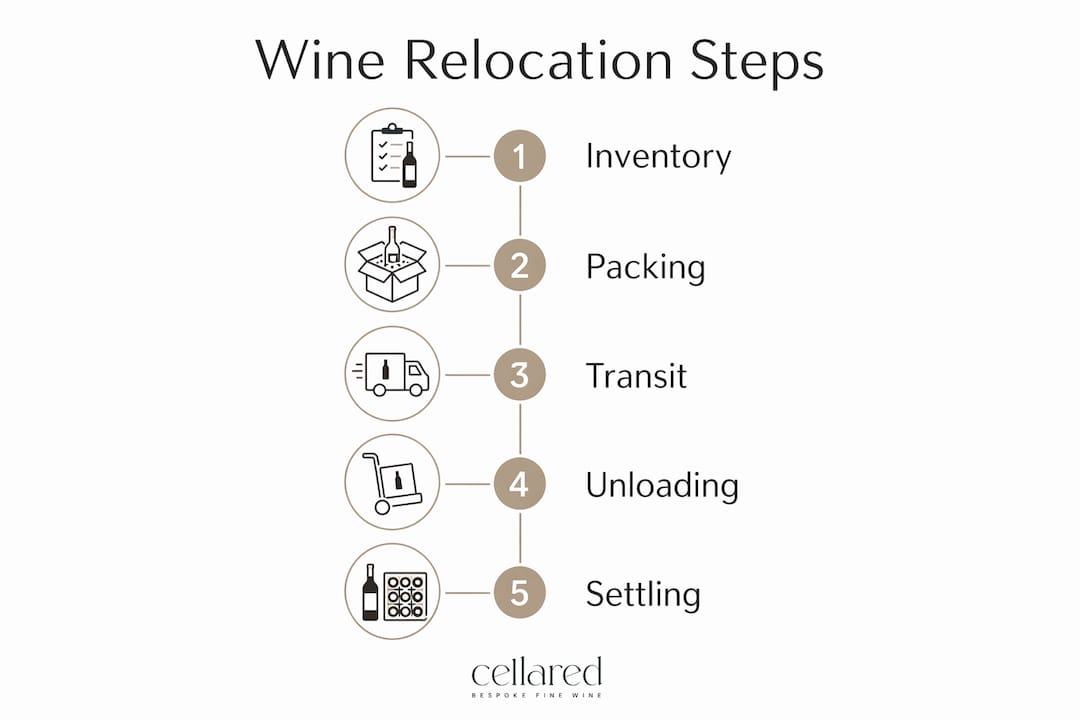
Packing and loading techniques that protect your bottles
With preparation complete, the physical packing process demands the same methodical attention you would bring to decanting an aged Burgundy. Haste causes damage. Complacency causes damage. What protects a collection is a structured sequence followed without shortcuts.
-
Wrap every bottle individually. Use at least two layers of bubble wrap, securing the wrap with tape. Pay particular attention to the neck and the base, the two points most vulnerable to impact stress. Boxes with individual slots reduce movement better than any alternative.
-
Use purpose-built wine boxes. Specialised wine shipping boxes with individual slots outperform generic moving cartons in every meaningful respect. The goal is to engineer the box around the bottle so that glass never touches glass.
-
Orient bottles correctly. Pack bottles horizontally where possible, keeping the cork in contact with the wine and preventing it from drying. For moves under two hours, upright packing is acceptable, but horizontal is always preferable for aged bottles with natural corks.
-
Layer the truck strategically. Place heavier, more robust boxes at the base of the load. Your most precious wines, typically older bottles with delicate sediment and fragile corks, belong higher up and away from the vibration concentrated at the floor of a moving vehicle.
-
Secure the load firmly. Movement inside the truck is as damaging as a drop. Use straps and packing blankets to immobilise boxes. Continuous vibration disturbs sediment in aged wines and measurably affects flavour profile.
-
Minimise loading and unloading time. Brief heat spikes during loading and unloading stress cork seals and elevate spoilage risk. Have boxes pre-staged, the truck positioned as close to the cellar door as possible, and the process completed with quiet efficiency.
Pro Tip: Pack your most valuable bottles last so they are the first to be unloaded. Reducing time in the truck for your finest wines is a simple discipline that pays dividends.
Climate control during transit and storage
Temperature stability is the single greatest determinant of wine quality during a move, but light exposure and vibration are significant co-contributors that are often underestimated. Think of your collection as requiring the same considered environment in transit that it enjoys at rest in a well-managed cellar.
The optimal transport temperature is approximately 13°C, maintained throughout the journey. Relative humidity should remain between 60% and 70% to prevent cork desiccation. When either of these parameters drifts significantly, the results compound: dry corks allow oxygen ingress, thermal expansion pushes corks partially out of the bottle, and flavour compounds degrade at an accelerated rate.
The risk of heat spikes above 27°C is particularly acute. A standard moving van parked in direct sunlight on a summer afternoon in Melbourne can reach temperatures well in excess of that threshold within minutes. Cork pushing and seal failure follow directly.
Best practices for climate control during transit and temporary storage:
- Use a climate-controlled vehicle or refrigerated container for any move exceeding two hours or occurring in warm conditions
- Choose trucks fitted with air-ride suspension to dampen road vibration, particularly for collections containing aged bottles with sediment
- Wrap pallets or boxes in opaque, reflective materials to minimise light exposure and reduce radiant heat absorption
- Plan your route and timing deliberately, favouring early morning or evening departures during warmer months to avoid peak ambient temperatures
- If temporary storage is required mid-move, confirm the facility is climate-controlled and monitored, not simply a cool room
Route planning is underappreciated as a risk mitigation tool. A longer route through shaded, cooler roads is often preferable to a faster highway crossing if the latter involves prolonged sun exposure or stop-start traffic that creates vibration patterns. The measured decision here reflects the patience that fine wine itself demands.
Post-relocation: stabilising and settling your collection
Arrival at the destination is not the conclusion of the relocation process. For aged wines especially, it marks the beginning of what should be treated as a stabilisation phase, a period of deliberate stillness in which your collection recovers its composure.
Bottle shock is a well-documented, temporary condition caused by agitation during transport. It manifests as muted aromatics, disconnected fruit, and a general flatness that can alarm even experienced collectors. The good news is that it resolves with rest. Allow wines 7 to 14 days minimum before opening. Older vintages, which carry more delicate structure and settled sediment, benefit from a longer rest of three to four weeks. A guide to wine maturity considerations is worth consulting as you plan this phase for aged bottles.
Once the bottles have been given time to settle, conduct a careful inspection against your pre-move inventory. Check for:
- Cracked or chipped glass
- Displaced or weeping corks
- Label damage that could affect resale or insurance valuation
- Any significant changes in fill level, which may indicate leakage
The following table summarises the key care steps across each phase of a collection relocation:
| Phase | Key actions | Critical conditions |
|---|---|---|
| Pre-move | Inventory, photograph, source packing materials | Stable temperature during packing |
| Move day | Wrap individually, load carefully, minimise transit time | Climate-controlled vehicle, 13°C |
| Immediate post-move | Unpack carefully, do not open bottles | Rest in stable environment |
| Stabilisation (days 1 to 14) | Inspect against inventory, set up cellar conditions | 13°C, 60–70% humidity, no vibration |
| Long-term storage | Arrange horizontally, monitor regularly | Consistent climate, minimal light |
Arranging your collection at the destination deserves the same intentionality as the original cellar. Bottles should rest horizontally, away from light sources and vibration-producing appliances. A quality wine fridge or dedicated cellar with a calibrated climate control unit, monitored by a thermohygrometer, is the foundation of sound long-term management.
Pro Tip: Place a digital thermohygrometer inside the cellar or fridge immediately after restocking. Log readings for the first two weeks to confirm conditions are stable before considering the relocation complete.
What I have learned from moving fine wine collections
After years working closely with collectors through estate settlements, investment portfolio adjustments, and personal moves, I have come to believe that the single most common mistake is treating the destination as the finish line. It is not. The finish line is the first bottle opened from a rested, stabilised, properly housed collection, tasted with full confidence.
The preparation phase is where I have seen collections saved and where I have seen them undermined. A meticulous inventory with photographs and valuations is not administrative overhead. It is the foundation of your peace of mind and, critically, your insurance position. Standard moving insurance pays per kilogram, a figure entirely disconnected from the actual value of fine wine. Specialised full-value protection, arranged before the move, is the only appropriate coverage.
I have also learned to distrust the assumption that a standard wine fridge or short-term cool room storage "will do" during the transit period. Temperature stability over time is not the same as a brief cool interlude between warm conditions. Wine remembers thermal history across weeks, and the cumulative stress of multiple temperature variations is more damaging than a single excursion.
My most practical advice is to treat the move as you would treat the wine itself: with patience, structure, and genuine respect for the complexity involved. Cutting corners on climate-controlled transport to save a few hundred dollars is, in my experience, rarely worth the outcome.
— David
How Cellared supports your collection through relocation

Relocating a fine wine collection is precisely the kind of undertaking where professional support transforms the experience. Cellared Fine Wine offers wine cellar management services designed for collectors who understand that proper inventory, climate-controlled oversight, and careful documentation are not optional extras. Whether you are moving a modest collection of cherished bottles or a substantial cellar representing years of considered acquisition, Cellared brings the expertise to manage every detail with care.
Before any relocation, a professional wine appraisal and valuation establishes the current market value of your collection, providing the documentation your insurer needs and the clarity you deserve. Cellared's court-ready valuations are prepared to the standard required by insurers, estate administrators, and private advisers alike. Reach out to Cellared for a consultation tailored to your collection and circumstances.
Common questions about moving a wine collection
What temperature should wine be kept at during a move?
Approximately 13°C is the ideal temperature for transporting wine, maintained consistently throughout transit. Climate-controlled vehicles are strongly recommended for moves of any significant distance or duration.
How long should wine rest after being moved?
7 to 14 days is the standard rest period recommended to allow bottle shock to resolve. Older vintages with delicate structure benefit from three to four weeks of rest before opening.
Do I need specialised packing boxes for wine?
Yes. Boxes with individual slots significantly reduce bottle movement and prevent glass-to-glass contact, offering far superior protection compared to generic cartons. Individual bubble wrap wrapping adds a further layer of physical cushioning.
Is standard removalist insurance sufficient for a fine wine collection?
No. Standard moving insurance calculates compensation by weight, which bears no relationship to the value of fine wine. Specialised full-value protection, arranged separately, is the appropriate coverage for collections of meaningful worth.
What is bottle shock and is it permanent?
Bottle shock is a temporary condition caused by the agitation of transport, resulting in muted flavours and aromatics. It resolves with rest and is not a sign of permanent damage, provided the wine was transported within acceptable temperature and humidity parameters.