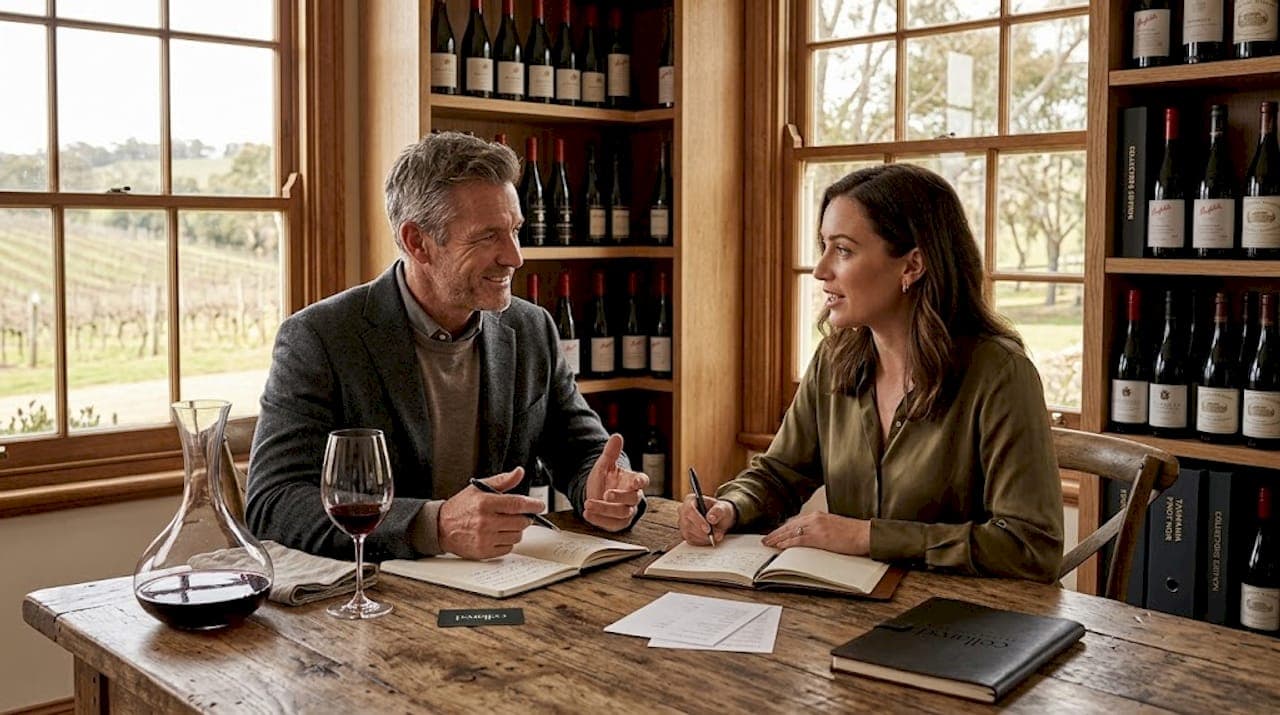
Fine wine collecting in Australia and across the APAC region has never been more complex. The sheer volume of producers, the opacity of secondary market pricing, and the quiet conflicts of interest embedded in many retail channels make it genuinely difficult to know whether you are buying well or simply buying confidently. The benefits of independent wine advice become most apparent when you realise how much is at stake: not just money, but the pleasure, rarity, and long-term value of every bottle you add to your cellar. This article unpacks what genuine independence looks like, why it matters, and how to find an advisor who will serve your collection rather than their own margin.
Table of Contents
- Key takeaways
- What makes independent wine advice genuinely valuable
- 1. Access to rare and exclusive wines
- 2. Expert curation aligned to your goals
- 3. Provenance tracking and authenticity assurance
- 4. Strategic cellar building and long-term value
- 5. Education and growing confidence
- Comparing your options: independent advice versus alternatives
- How to choose the right independent wine advisor
- My perspective on why this matters more now than ever
- How Cellared Fine Wine can guide your collection
- FAQ
Key takeaways
| Point | Details |
|---|---|
| Independence removes conflicts | Advisors without sales commissions are obligated to recommend what suits you, not what suits their margin. |
| Rare wine access is real | Independent merchants source over 85% of selections from small family vineyards unavailable through retail channels. |
| Provenance protects value | Expert tracking of storage and authenticity safeguards both the drinking quality and resale value of your collection. |
| Personalised curation builds confidence | Tailored advice aligned to your palate and goals prevents costly mistakes and closed wines not yet ready to drink. |
| Relationships compound over time | A trusted advisor who knows your collection intimately delivers better outcomes the longer you work together. |
What makes independent wine advice genuinely valuable
Not all advice sold as independent actually is. The first thing a discerning collector should assess is whether the advisor has financial and logistical separation from the producers or merchants whose wines they recommend. Wine Spectator's staff pay their own expenses specifically to preserve this separation and avoid bias. That standard, while journalistic in origin, is the right benchmark for any advisor you trust with your cellar.
Beyond financial independence, the qualities that elevate good advice into exceptional guidance include:
- Fiduciary responsibility. A genuine advisor acts in your best interest, not theirs. Fee-only advisors avoid commissions and revenue-sharing arrangements that would otherwise tilt their recommendations toward higher-margin bottles.
- Depth of expertise. This means more than a broad familiarity with regions. A credible advisor understands terroir at a granular level, can articulate why a specific producer's tannic backbone evolves differently across vintages, and knows which drinking windows are genuinely open right now.
- Personalised, ongoing service. The best fine wine merchants build relationships over years, not transactions. They remember your palate, your storage capacity, and your investment horizon.
- Transparency about provenance. Authenticity, storage history, and recorking records should be disclosed as a matter of course, not extracted through persistent questioning.
Pro Tip: Ask any prospective advisor to explain how they are compensated before you discuss a single wine. The clarity and comfort with which they answer that question tells you more than any tasting note ever could.
1. Access to rare and exclusive wines
One of the most compelling advantages of wine consultants is the access they provide to bottles you simply cannot find on a supermarket shelf or through an algorithm. Over 85% of selections offered by quality independent merchants come from small, family-run vineyards with bottle-aged stock that rewards patience and rewards the collector who planned ahead.
These relationships take years to build. An independent merchant with deep ties to a Barolo producer in Serralunga d'Alba, for instance, may be allocated a handful of cases from each vintage. That allocation does not appear in any catalogue. It flows to clients whose advisor has earned it through loyalty, knowledge, and consistent engagement. For collectors in Australia and APAC, this kind of access to exclusive rare wines represents a genuine competitive advantage over those relying solely on public retail channels.
2. Expert curation aligned to your goals
Choosing wine wisely requires knowing more than what you enjoy today. A skilled advisor considers your palate, your cellar conditions, your investment horizon, and even the occasions for which you plan to open bottles. Describing your preferences clearly and asking for guidance consistently produces better results and fewer disappointing purchases.
This is where independent wine recommendations diverge sharply from the generic. A subscription service or a retail algorithm can approximate your taste based on past purchases. An experienced advisor can anticipate what you do not yet know you want, introducing you to a structured Côte de Nuits that will outlast your current favourites, or steering you away from a hyped vintage that is closed and inaccessible for another decade.
"The greatest gift a trusted advisor gives you is not a bottle you already know you love. It is a bottle that changes what you thought you knew about wine."
3. Provenance tracking and authenticity assurance
Provenance is the foundation on which collection value rests. Without a clear, unbroken record of a wine's storage history, ownership chain, and condition, you are holding a beautiful object of uncertain worth. Independent advisors who specialise in provenance do more than confirm a bottle is genuine. They assess whether it has been stored correctly, whether the fill level indicates potential ullage, and whether the label and capsule are consistent with the claimed vintage.
Understanding wine provenance frameworks is not academic for serious collectors. It is the difference between a Penfolds Grange that commands its full market value and one that raises questions at auction. Professional appraisal services, including those that conduct weekly blind tasting panels and official recorking clinics, provide the kind of certified confidence that protects both drinking quality and resale potential.
4. Strategic cellar building and long-term value
A well-constructed cellar is not an accumulation of bottles you liked at the time of purchase. It is a structured, evolving portfolio with depth across regions and vintages, liquidity at different price points, and a balance between wines ready to drink now and those that will peak in ten or twenty years. Independent advisors offer tasting notes, provenance insights, and personalised cellar strategy that transforms a collection from a pleasant hobby into a genuinely considered investment.
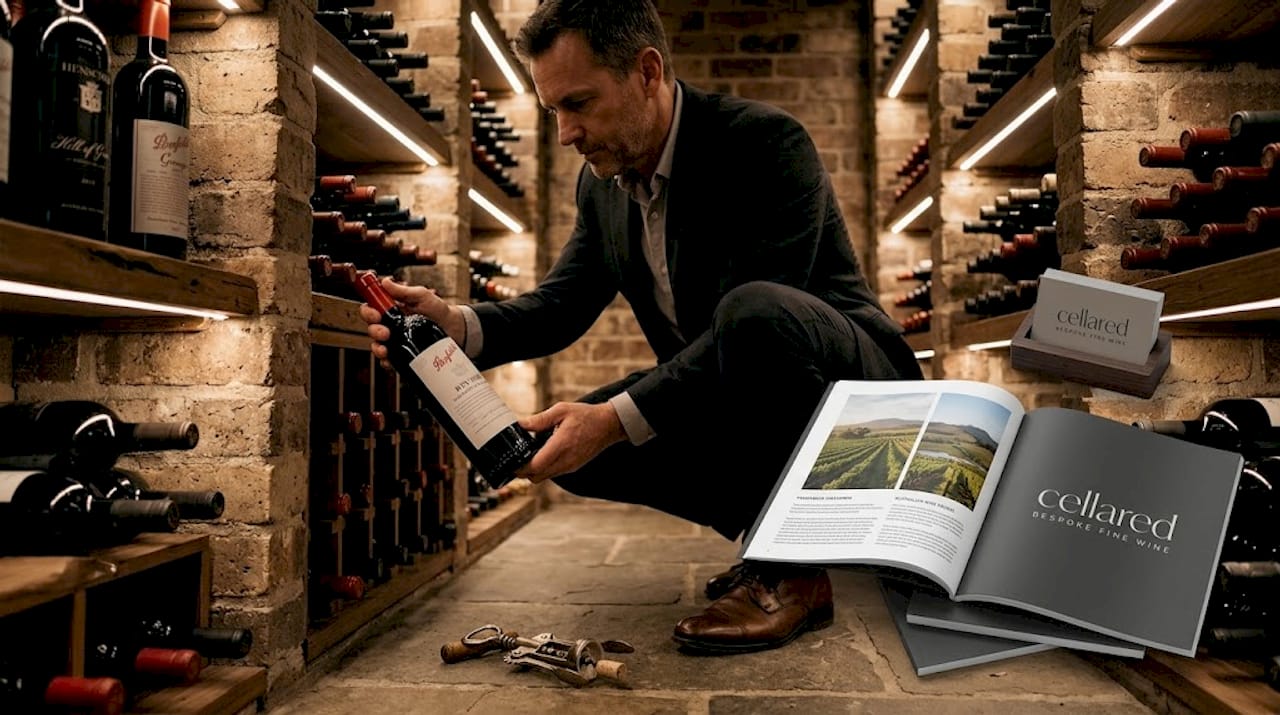
This long-term orientation is what separates the best wine buying advice from the merely competent. A great advisor will tell you when not to buy as readily as they will tell you when to act. That restraint, grounded in market knowledge and honest assessment, is rare and worth protecting.
5. Education and growing confidence
Perhaps the most enduring benefit of working with an independent wine advisor is what it does for your own knowledge and confidence over time. Every conversation about ageing potential, every explanation of why one commune within Burgundy produces wines of dramatically different structure from its neighbour, and every candid assessment of whether a bottle merits its price adds to a foundation that makes you a better buyer, independently.
87% of high-end collectors prefer having a dedicated contact to discuss provenance and drinking windows rather than navigating faceless digital transactions. The reason is not convenience alone. It is the cumulative education that such relationships provide, the kind that cannot be replicated by reading scores or browsing a retailer's curated lists.
Comparing your options: independent advice versus alternatives
Understanding the benefits of independent wine advice is sharpened when placed alongside the alternatives available to collectors in 2026.
| Option | Access to rare wines | Personalised advice | Provenance assurance | Conflict of interest risk | Long-term relationship |
|---|---|---|---|---|---|
| Independent wine advisor | High | High | High | Low | Strong |
| Large supermarket or chain retailer | Low | None | Low | High | None |
| Online retailer | Moderate | Low | Variable | Moderate | Minimal |
| Subscription wine box | Low to moderate | Low | Low | Moderate | None |
| Self-directed research | Variable | None | Self-managed | None | N/A |
Subscription wine services are a particularly instructive comparison. These services often lack meaningful personalisation and tend to underserve regular drinkers once the initial novelty fades. They treat discovery as an algorithm problem rather than a human one. The difference between a curated selection and a personalised recommendation is the difference between a good guess and a genuinely informed judgement.
Pro Tip: If you are transitioning from self-directed buying to working with an advisor, bring your purchase records and tasting notes from the last two years. The more context your advisor has, the faster they can calibrate recommendations to your actual preferences.
How to choose the right independent wine advisor
Selecting a trustworthy advisor is itself an exercise in discernment. The following considerations will guide you toward a partnership that serves your collection rather than complicating it.
- Verify independence from commercial incentives. Ask directly whether the advisor receives commissions, allocation bonuses, or any form of payment from producers or importers. A genuinely independent advisor will welcome the question.
- Assess communication transparency. The right advisor speaks plainly about a wine's limitations as well as its strengths. Enthusiasm unmarked by candour is a warning sign.
- Understand the fee structure fully. Fee-based arrangements, whether retainer or per-service, typically indicate lower conflict of interest risk than commission-based models.
- Evaluate regional and stylistic depth. Your advisor should be able to speak with authority about the regions and styles most relevant to your collection, whether that is the Clare Valley, the Barossa, Burgundy, or Piedmont.
- Test personal rapport early. Wine is ultimately about pleasure and meaning. An advisor who listens well, remembers detail, and communicates with genuine warmth will serve you far better over time than one with impressive credentials and a transactional manner.
A bespoke advisory approach to private client wine services reflects exactly this philosophy: expertise combined with a relationship built on understanding the individual collector's goals.
My perspective on why this matters more now than ever
I have watched the fine wine market in Australia shift considerably over the past several years. What strikes me most is not the volatility in prices or the increasing sophistication of collectors. It is the growing hunger for genuine connection with the wine itself, for advice that comes without an agenda attached.
I have seen collectors acquire impressive cellars that tell no coherent story. Beautiful bottles purchased on the strength of a score or a trend, but without a unifying vision or any real understanding of when or why they will be opened. The experience of drinking those wines, when it finally comes, is often flat. Not because the wine is wrong, but because the context is missing.
What I have learned, working with collectors across the spectrum of experience and investment, is that the most satisfying collections are built slowly, deliberately, and in conversation with someone who genuinely knows the wine. Independence matters because it removes the distortion of incentive. Personalisation matters because wine is not a commodity. And patience, perhaps above all, is the quality that transforms a cellar from a storage problem into a source of ongoing wonder.
If you are at the point where you are asking whether independent advice is worth pursuing, the answer is almost certainly yes. The question is simply finding the right person to trust.
— David
How Cellared Fine Wine can guide your collection
Cellared Fine Wine exists precisely for collectors who want more from their wine journey than a transaction. Whether you are building a cellar from a considered starting point or seeking a credible, court-ready appraisal of what you already hold, Cellared brings meticulous market knowledge and a genuinely personal service to every engagement.
From bespoke wine buying tailored to your palate and investment goals, to specialist wine appraisals and valuations prepared for insurance, probate, or private sale purposes, Cellared operates with complete independence from producer and importer incentives. The team's access to rare and allocated bottles, combined with structured cellar management services that protect and grow your investment, makes Cellared the kind of partner whose value compounds with every vintage.
FAQ
What are the main benefits of independent wine advice?
Independent wine advice removes conflicts of interest, provides access to rare wines, and delivers personalised guidance on provenance, drinking windows, and cellar strategy. These outcomes are consistently unavailable through retail or algorithm-driven channels.
How is independent advice different from a wine subscription box?
Subscription boxes rely on algorithms and broad segmentation rather than personalised expertise. Independent recommendations are tailored to your specific palate, collection goals, and investment horizon, and adjust meaningfully as your tastes evolve.
How do I know if a wine advisor is truly independent?
Ask how they are compensated and whether they receive commissions or allocations from producers. Fee-only advisors who disclose their structure transparently present the lowest conflict of interest risk.
Why does wine provenance matter so much for collectors?
Provenance establishes the authenticity and storage integrity of a bottle, directly affecting both its drinking quality and its resale value. Professional appraisal services provide impartial evaluations through blind tasting and written certification that protect collectors at every stage.
When should an Australian collector start working with an independent advisor?
The right moment is before you make purchasing decisions you may regret, not after. Even early-stage collectors benefit from structured guidance on building collection value and avoiding wines that are closed, overpriced, or poorly suited to their storage conditions.