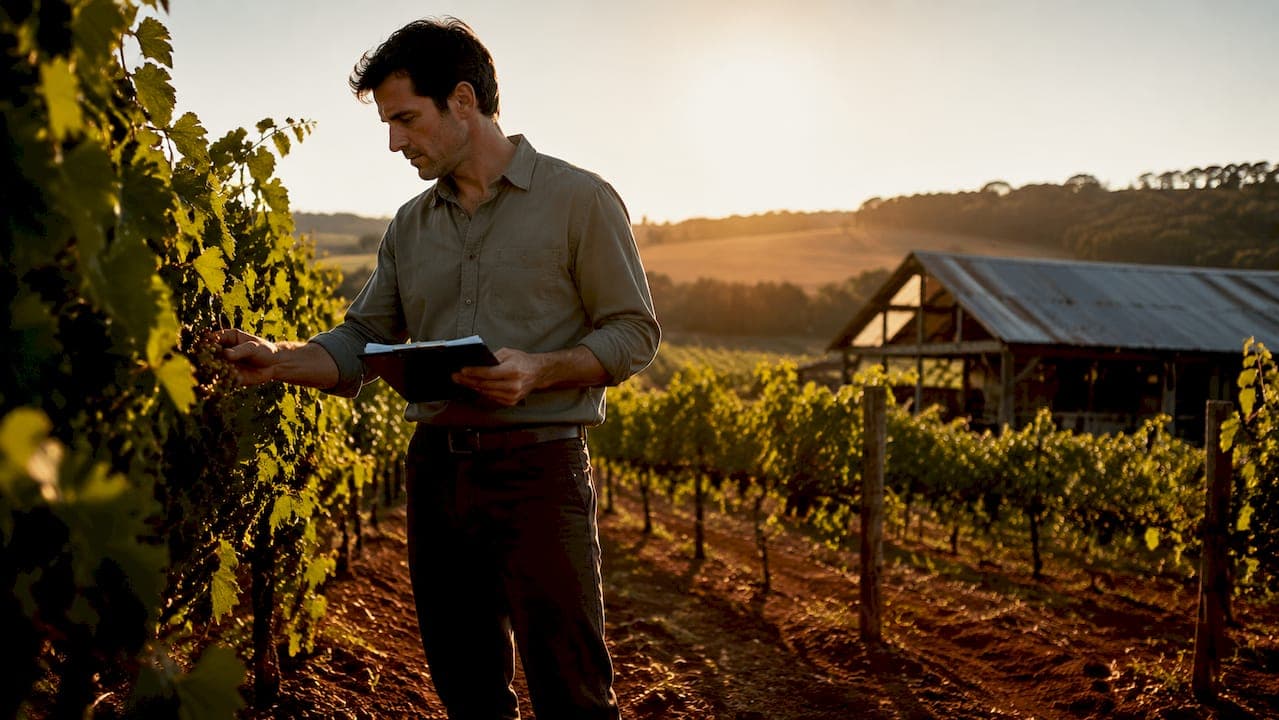
Wynns wines are defined by a singular address: Coonawarra, South Australia, where the celebrated Terra Rossa soil produces some of the most structured and age-worthy Cabernet Sauvignon and Shiraz on the continent. Wynns Coonawarra Estate was founded in 1891 and produced Australia's first commercially labelled Cabernet Sauvignon in 1954. That heritage is not merely decorative. It underpins a portfolio spanning the accessible Black Label through to the rarefied John Riddoch and Michael Shiraz, each wine a precise expression of place, vintage, and craft. For collectors and enthusiasts alike, Wynns represents one of the most compelling intersections of history, quality, and value in Australian fine wine.
1. What makes the Wynns Black Label Cabernet Sauvignon a standout wine?
The Black Label Cabernet Sauvignon is the wine that built Wynns' reputation, and it remains the most important entry point for any serious collector. Produced since 1954, it holds the distinction of being Australia's first commercially labelled Cabernet Sauvignon. That history is inseparable from its identity.

The fruit selection is meticulous. The Black Label draws on the top 20–25% of fruit from the estate's central Terra Rossa vineyards. The 2024 vintage was matured for 17 months in 28% new French oak, a proportion that adds structure without overwhelming the wine's varietal character.
Tasting notes across recent vintages are consistent and distinctive:
- Blackcurrant and dark cherry on the primary palate, with depth and concentration
- Mint and eucalyptus lift, a signature of Coonawarra Cabernet
- Cedar and fine-grained tannins from French oak maturation
- Ageing potential of 15–20+ years, making it a genuine cellaring proposition
The 2024 Black Label carries an RRP of $45. That price point, relative to its ageing potential and quality, is the most compelling value argument in Australian fine wine. Few wines at this price can be cellared with such confidence.
Pro Tip: Buy the Black Label in mixed dozens across two or three consecutive vintages. Tasting vertical comparisons over time reveals the estate's terroir expression far more clearly than any single bottle.
2. Why are the John Riddoch and Michael Shiraz considered Wynns' pinnacle wines?
The John Riddoch Cabernet Sauvignon and Michael Shiraz occupy a different category entirely. Both are produced only in exceptional vintages from less than 1% of the estate's top fruit. That scarcity is not marketing. It reflects a genuine commitment to releasing these wines only when the vintage warrants it.
Senior winemaker Sue Hodder has described the style as medium-bodied with moderate alcohol of approximately 13%, deliberately calibrated to complement fine cuisine rather than overpower it. The result is wines of elegance and precision rather than brute concentration.
Key characteristics of both flagship wines include:
- Fine, silky tannins that integrate beautifully with extended cellaring
- Complexity and layered aromatics that evolve significantly over a decade or more
- International collector appeal, particularly in markets such as Shanghai where the restrained style is highly regarded
- Pricing benchmarks of $115–$130 for John Riddoch and $145–$155 for Michael Shiraz as of 2026
The John Riddoch, in particular, represents the "ultimate selection" from the estate's most prized fruit parcels. Both wines reward patience. Opening either within five years of release is a missed opportunity.
3. What is Wynnsday and how does it affect acquisition timing?
Wynnsday is Wynns Coonawarra Estate's annual luxury release event, held in early june each year. It is the most important date in the calendar for collectors seeking access to the estate's full range. The event is not simply a new vintage release. It is a multi-vintage showcase designed to demonstrate the estate's terroir across different growing seasons simultaneously.
The 2026 Wynnsday release featured eight wines, including V&A Lane expressions, Black Label variants, and single vineyard parcels spanning the 2023, 2024, and 2025 vintages. That approach reflects a deliberate philosophy: the estate prioritises terroir vitality and quality consistency over the commercial convenience of a single annual vintage release.
For collectors, Wynnsday has practical implications:
- Multiple vintages available simultaneously allows direct comparison and targeted acquisition
- Limited allocations on flagship wines mean early access is critical
- Single vineyard parcels released at Wynnsday often represent the best value-to-quality ratio outside the John Riddoch and Michael Shiraz tier
Understanding the Wynnsday release strategy is the difference between building a considered collection and simply buying whatever is available at retail.
4. How do the Terra Rossa vineyards shape Wynns' signature style?
Terra Rossa soil is the defining terroir of Coonawarra, and Wynns is its most significant custodian. The estate operates approximately 500 hectares, making it the largest single vineyard holder in the region. That scale is not incidental. It gives the winemaking team granular control over fruit selection, blending, and quality tiering across every label in the range.
Terra Rossa is a thin layer of red clay loam over free-draining limestone. The limestone moderates vine vigour and stress, while the clay retains just enough moisture to sustain the vines through Coonawarra's dry summers. The result is consistent, medium-bodied wines with cool-climate varietal clarity, particularly in Cabernet Sauvignon and Shiraz.
The flavour signatures that Terra Rossa imparts to Wynns wines are recognisable across the range:
- Structural elegance rather than opulent richness
- Precise varietal expression with mint, blackcurrant, and dark berry fruit
- Natural acidity that supports long ageing without artificial intervention
- Moderate alcohol levels that preserve freshness and food-pairing versatility
Pro Tip: When assessing any Wynns wine, note the vineyard designation on the label. Wines sourced from the central Terra Rossa strip consistently show greater concentration and ageing potential than those from the estate's outer blocks.
The historic triple-gabled winery image on every Wynns label since the 1950s is a visual shorthand for this terroir-driven identity. It signals provenance, consistency, and a winemaking philosophy that has not wavered across seven decades.
5. How do Wynns wines perform as investment-grade collectibles?
Wynns wines occupy a distinctive position in the Australian fine wine investment market. The flagship wines, John Riddoch and Michael Shiraz, offer genuine rarity and international demand. The Black Label offers something rarer still in the investment context: a wine that is significantly underpriced relative to its quality and ageing potential.
The table below summarises the key investment characteristics across the main Wynns labels:
| Wine | RRP (2026) | Ageing window | Rarity | Investment tier |
|---|---|---|---|---|
| Black Label Cabernet Sauvignon | $45 | 15–20+ years | Widely available | Value/entry collector |
| V&A Lane single vineyard | Not publicly listed | 10–15 years | Limited release | Mid-tier collector |
| John Riddoch Cabernet Sauvignon | $115–$130 | 20+ years | Exceptional vintages only | Premium collector |
| Michael Shiraz | $145–$155 | 20+ years | Exceptional vintages only | Premium collector |
For collectors assessing investment-grade wine, the Black Label presents a genuine anomaly. Its price has not kept pace with its critical reputation or cellaring credentials. Savvy buyers who acquire it in volume across strong vintages and cellar it correctly stand to benefit from that gap closing over time.
Auction performance for John Riddoch and Michael Shiraz is strong and consistent. Understanding wine auction dynamics is critical before committing to these price points. Provenance verification and storage history are non-negotiable for any bottle purchased outside the primary market.
Recommended cellaring periods by label:
- Black Label: minimum 8 years from vintage, optimal window 12–20 years
- John Riddoch: minimum 10 years, optimal window 15–25 years
- Michael Shiraz: minimum 10 years, optimal window 15–25 years
Key takeaways
Wynns Coonawarra Estate produces Australia's most compelling range of age-worthy Cabernet Sauvignon and Shiraz, with the Black Label offering exceptional value and the John Riddoch and Michael Shiraz delivering genuine collector-grade rarity.
| Point | Details |
|---|---|
| Black Label is undervalued | At $45 RRP with 15–20+ year ageing potential, it is one of Australia's best-value fine wines. |
| Flagship wines require patience | John Riddoch and Michael Shiraz reward a minimum decade of cellaring before reaching their peak. |
| Wynnsday timing matters | Early june acquisitions give collectors access to multi-vintage releases and limited single vineyard parcels. |
| Terra Rossa defines the style | The estate's 500-hectare Terra Rossa holding produces consistent, medium-bodied wines with cool-climate clarity. |
| Provenance is non-negotiable | For auction purchases of flagship wines, verified storage history directly affects both quality and resale value. |
David's view on collecting Wynns in 2026
Why the Black Label deserves more serious attention from collectors
The conventional wisdom positions the Black Label as a drinking wine and the John Riddoch as the collector's choice. I think that framing undersells the Black Label considerably. At $45, with genuine 15–20 year cellaring credentials and a track record stretching back to 1954, it is one of the most misclassified wines in the Australian market. Collectors who focus exclusively on the flagship tier are paying a significant premium for rarity when the value proposition sits one tier below.
Wynnsday is the acquisition event I plan around each year. The multi-vintage release structure means you can assess the estate's performance across three growing seasons in a single sitting. That is an extraordinary opportunity for anyone building a considered collection. The single vineyard parcels released at Wynnsday are consistently worth attention, particularly in years when the John Riddoch and Michael Shiraz are not produced.
On pairings: Sue Hodder's philosophy of moderate alcohol and medium body is not incidental. These wines are built for the table. Wynns Cabernet Sauvignon alongside aged cheddar or a slow-braised lamb shoulder is not a cliché. It is the wine performing exactly as it was designed to. Collectors who only cellar and never open are missing the point entirely.
— David
Cellared Fine Wine and your Wynns collection
Wynns wines reward expertise at every stage, from initial acquisition through to valuation and long-term cellar management.

Com works with collectors to source specific Wynns vintages, including John Riddoch and Michael Shiraz from years not widely available at retail. The team provides professional wine appraisals for insurance, probate, and private advisory purposes, ensuring your collection is accurately valued as it appreciates. For collectors managing larger holdings, Com's cellar management services maintain optimal conditions and provide structured oversight across your full portfolio. Whether you are acquiring your first case of Black Label or tracking the value of a mature John Riddoch collection, Cellared Fine Wine brings the market knowledge and personal service the wines deserve.
FAQ
What is the best Wynns wine for a new collector?
The Black Label Cabernet Sauvignon at $45 RRP is the ideal starting point. It offers genuine ageing potential of 15–20+ years and represents exceptional value relative to its quality.
How often is the John Riddoch Cabernet Sauvignon produced?
John Riddoch is produced only in exceptional vintages from less than 1% of the estate's top fruit. It is not released every year, which is central to its rarity and collector appeal.
When should I buy Wynns wines each year?
Wynnsday, held in early june, is the primary release event. It offers access to multiple vintages simultaneously, including limited single vineyard parcels not available at other times.
How long should I cellar Wynns Black Label Cabernet Sauvignon?
A minimum of 8 years from vintage is recommended, with the optimal drinking window between 12 and 20 years. The wine's structure and natural acidity support extended cellaring with confidence.
Are Wynns wines good food wines?
Wynns wines are specifically designed for the table. Senior winemaker Sue Hodder targets moderate alcohol of approximately 13% and a medium-bodied style that pairs particularly well with lamb, aged cheeses, and slow-cooked red meats.