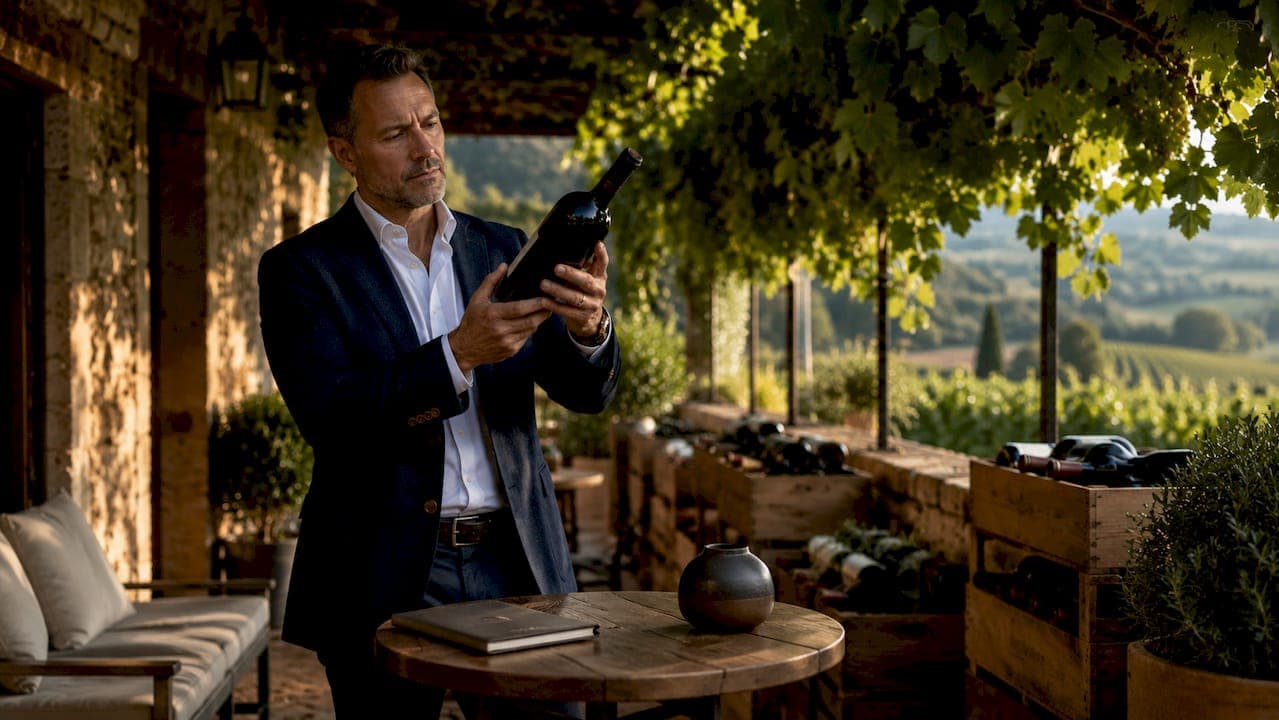
A wine buying agent is defined as a specialist intermediary who sources, negotiates, and acquires wine on behalf of private collectors, representing the client's interests at every stage of the purchase. The role is sometimes called a wine purchasing agent or wine procurement specialist, though the industry term most commonly used is "private wine agent." For collectors pursuing rare Burgundy, aged Barolo, or first-growth Bordeaux, the secondary market is a complex and often opaque world. A skilled agent cuts through that complexity, offering access, expertise, and protection that no retail shelf or public auction catalogue can replicate.
What does a wine buying agent do?
A wine buying agent sources and acquires wine on behalf of private clients, handling everything from identifying the right bottles to negotiating price and managing delivery. The agent acts as your representative, not a seller pushing their own inventory. That distinction matters enormously when you are spending serious money on serious wine.
The full range of services a wine buying agent provides includes:
- Access to exclusive networks. Agents maintain relationships with private cellars, estates, and collectors that are simply not accessible to the public. Many of the finest bottles never appear at auction or on a merchant's list.
- Authentication and provenance verification. A reputable agent verifies the provenance chain, auditing storage history and legal transfer documentation before any purchase is made.
- Negotiation expertise. Agents understand market pricing at a granular level. They negotiate terms that reflect true value, not the inflated premiums that hype-driven auction rooms can produce.
- Logistics and secure storage. From temperature-controlled transport to bonded warehouse arrangements, agents coordinate the physical handling of your wine. A dual-zone wine refrigerator is a sound starting point for home storage, but agents can arrange far more sophisticated solutions for larger collections.
- Long-term collection advice. The best agents sustain collection value over time, advising on when to buy, when to hold, and when to sell, with an eye on insurance and resale outcomes.
Pro Tip: Ask any prospective agent to walk you through a recent acquisition from brief to delivery. Their answer will reveal the depth of their network, their process rigour, and how they handle the unexpected.
How does a wine agent differ from brokers and retail sellers?
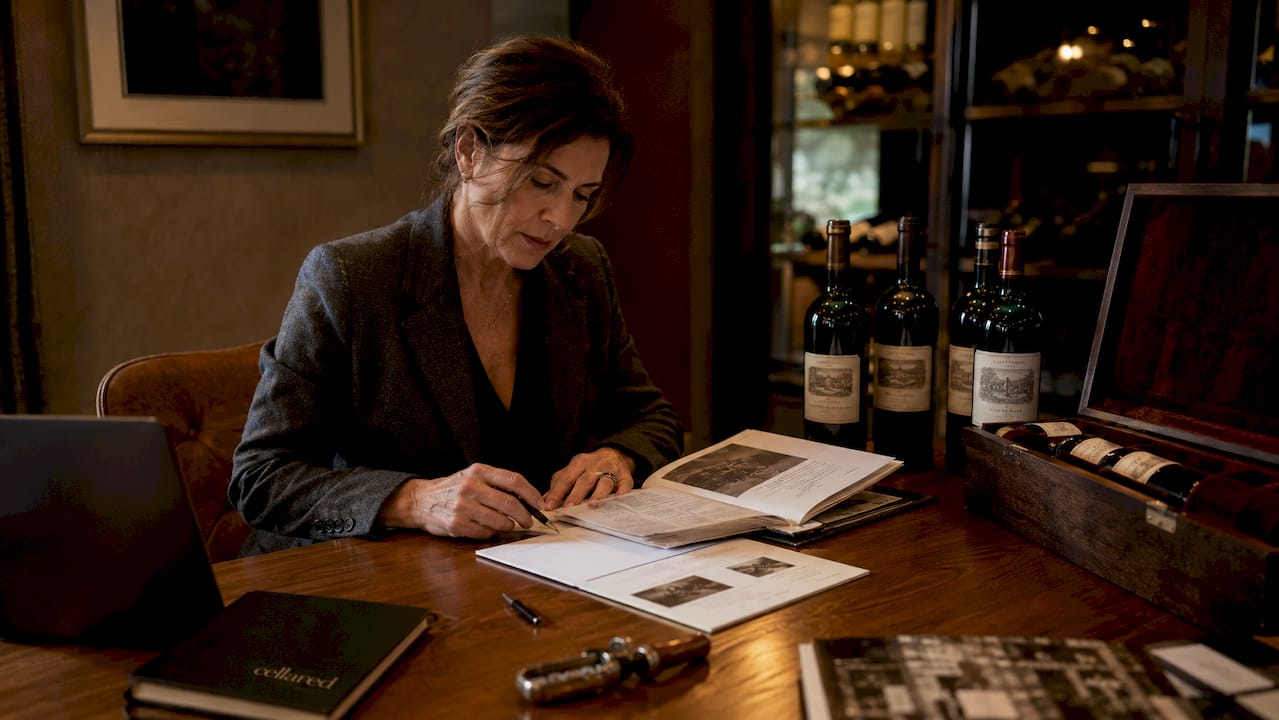
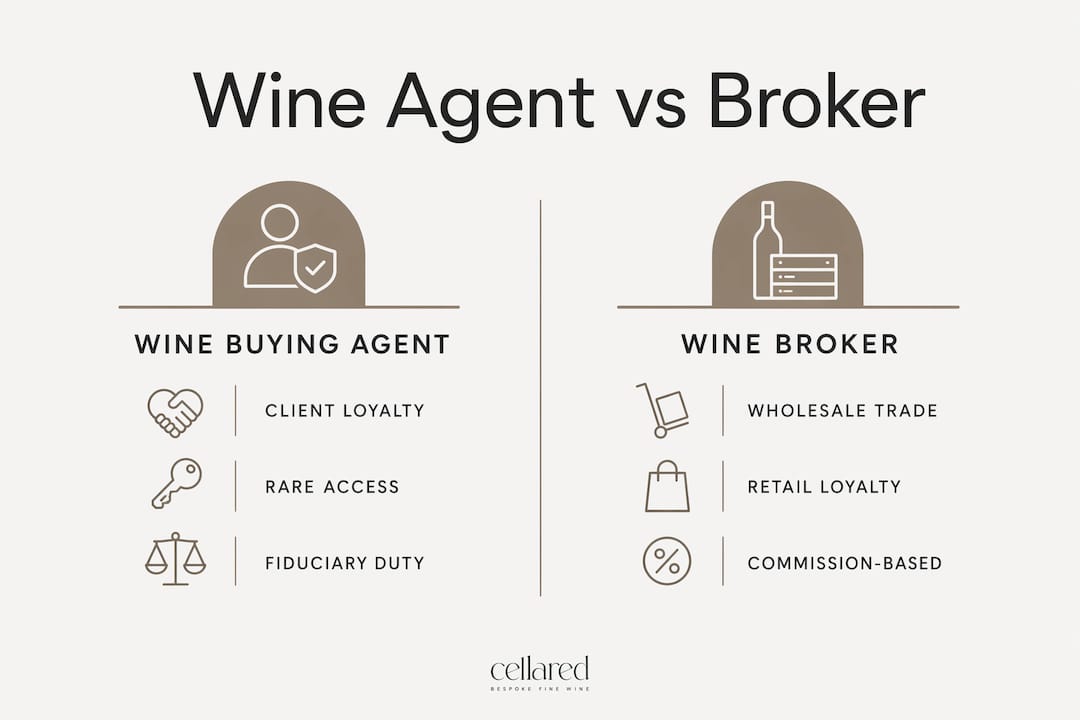
The distinction between a private wine agent and other wine professionals is one of loyalty. Private client wine agents operate as fiduciary representatives, meaning their legal and professional obligation runs to you, the collector, not to a winery, merchant, or auction house.
Commercial wine brokers primarily facilitate wholesale transactions between wineries and retailers. Their income depends on volume and margin, which creates an inherent tension with the collector's interest in paying a fair price for the right bottle. Retail sellers and winery representatives are, by definition, pushing specific stock. Their advice is shaped by what they have to sell.
| Role | Primary loyalty | Typical market | Fee model |
|---|---|---|---|
| Private wine agent | Client (collector) | Secondary market, private cellars | Retainer or commission on purchase |
| Commercial wine broker | Winery or retailer | Wholesale trade | Margin on sale |
| Retail merchant | Own inventory | Public retail | Retail markup |
| Auction specialist | Auction house | Public auction | Buyer's and seller's premium |
Private agents also operate in spaces that other professionals rarely enter. They navigate rare wine auctions and private-to-private cellar sales with expertise that the average collector simply does not possess. That access to off-market transactions is one of the most underappreciated advantages of engaging a personal wine shopper.
How to choose a wine agent: what to look for
Choosing a wine buying agent requires the same diligence you would apply to selecting any trusted adviser. The global secondary wine market is complex enough that collectors increasingly outsource sourcing and vetting to professionals with deep, verified industry connections. Not all agents offer the same depth of service.
The factors that matter most when evaluating a wine consultant service are:
- Verified industry connections. Ask for evidence of relationships with private cellars, estates, and auction specialists. An agent without a genuine network is simply a middleman with a price list.
- Transparent fee structures. Understand exactly how the agent is paid. Retainer models, flat commissions, and percentage-of-purchase fees each carry different incentives. Misaligned incentives produce poor advice.
- Authentication expertise. The agent must be able to articulate how they verify provenance. Vague answers here are a serious warning sign.
- Personalised advisory approach. The finest agents build long-term relationships. They learn your palate, your cellar conditions, and your investment horizon. A transactional agent who treats each purchase in isolation adds far less value.
- References from existing clients. A reputable agent will have collectors willing to speak on their behalf. If references are unavailable or evasive, proceed with caution.
Pro Tip: Request a written statement of the agent's fiduciary obligations before signing any engagement agreement. An agent who hesitates to put their client-first commitment in writing is telling you something important.
Questions worth asking before engagement include: How do you verify storage history on bottles sourced from private cellars? What happens if a bottle fails authentication after purchase? How do you handle conflicts of interest when a seller is also a client?
How do wine agents protect collectors from risk?
Risk mitigation is where a skilled wine buying agent earns their fee most visibly. The fine wine market carries genuine hazards, from outright fraud to the subtler damage of poor storage, and collectors who navigate it alone are exposed on multiple fronts.
- Provenance chain verification. A wine buying agent audits storage conditions and legal transfer documentation for every bottle under consideration. This process catches poorly stored wine before it reaches your cellar, not after.
- Fraud prevention. Wine fraud is a documented and persistent problem across global markets. An experienced agent acts as an independent auditor, cross-referencing bottle details, label characteristics, and fill levels against known benchmarks. Collectors can read more about preventing wine fraud as a complement to professional agent oversight.
- Protection from auction premiums. Agents act as gatekeepers to market volatility, preventing overpayment during hype-driven bidding wars by understanding pricing trends and comparable sales data. Emotion drives auction rooms; agents bring discipline.
- Off-market access. Many collectors are unaware that agents can access private cellar collections that never appear at public auction. These transactions reduce competition and price inflation, often delivering superior bottles at more rational prices.
- Legal documentation and compliance. Cross-border wine purchases involve customs declarations, duty obligations, and chain-of-title documentation. An agent manages this paperwork, reducing the risk of legal complications that could affect the bottle's future resale or insurance value.
The long-term benefit is equally significant. Agents provide collection integrity advice that prevents impulsive buying and sustains value for insurance or resale purposes. A well-advised collection grows in coherence and worth. An impulsively assembled one rarely does. Collectors focused on selecting wines for future value will find that an agent's objective counsel is one of the most reliable tools available.
Key takeaways
A wine buying agent is the most effective way for serious collectors to access rare bottles, verify provenance, and protect long-term collection value in a complex secondary market.
| Point | Details |
|---|---|
| Core role | A wine buying agent sources and negotiates wine on behalf of collectors, acting as a fiduciary representative. |
| Key advantage | Agents provide access to off-market and private cellar collections unavailable through public auctions. |
| Risk protection | Agents verify provenance chains and storage history, reducing exposure to fraud and poorly stored wine. |
| Choosing wisely | Prioritise agents with transparent fees, verified networks, and a written commitment to client-first obligations. |
| Long-term value | Ongoing agent relationships sustain collection coherence and support insurance and resale outcomes. |
Why I believe every serious collector needs an agent
The fine wine market has grown considerably more complex over the past decade. Private cellar sales, cross-border auction platforms, and an expanding pool of collectors competing for a finite number of exceptional bottles have created conditions where the uninformed buyer is at a structural disadvantage.
I have seen collectors pay well above market rate for bottles that spent years in inadequate storage. I have seen others miss extraordinary opportunities because they lacked the relationships to hear about a private cellar coming to market. Both outcomes are avoidable with the right agent in place.
The objection I hear most often is that agents are an unnecessary expense. That view misunderstands the economics. A skilled agent who prevents one poor purchase, secures one off-market acquisition at a rational price, or catches one fraudulent bottle has already justified their fee many times over. The question is not whether you can afford an agent. The question is whether you can afford to build a serious collection without one.
— David
Cellared Fine Wine: bespoke wine buying and cellar management
Cellared Fine Wine offers a genuinely personal bespoke wine buying service for collectors, investors, and private clients who want to acquire exceptional bottles with confidence. The team combines deep market knowledge with meticulous provenance verification, handling sourcing, authentication, and logistics so that you receive the right wine in perfect condition.
Cellared also provides professional wine appraisals and valuations prepared to court-ready standards for insurance, probate, and private advisory purposes, as well as ongoing cellar management for collectors who want their collections maintained with the same care applied to the original purchase. Contact the Cellared team to discuss how a bespoke wine buying arrangement can work for your collection.
FAQ
What is a wine buying agent?
A wine buying agent is a specialist intermediary who sources, negotiates, and acquires wine on behalf of private collectors, representing the client's interests rather than selling their own inventory.
How does a wine agent differ from a wine broker?
A private wine agent acts as a fiduciary for the collector, while a commercial wine broker primarily facilitates wholesale deals between wineries and retailers, with loyalty to the seller rather than the buyer.
What does provenance verification involve?
Provenance verification involves auditing a bottle's storage conditions, legal transfer documentation, and physical characteristics to confirm authenticity and protect against fraud or poor storage.
How do agents access wines not available at auction?
Agents maintain private networks with estates, collectors, and cellar owners, giving them access to off-market bottles that never appear in public auction catalogues, often at more rational prices.
How do I choose a trustworthy wine buying agent?
Prioritise agents with transparent fee structures, verified industry connections, clear authentication processes, and a willingness to provide client references and a written fiduciary commitment.